Telecom & monitoring
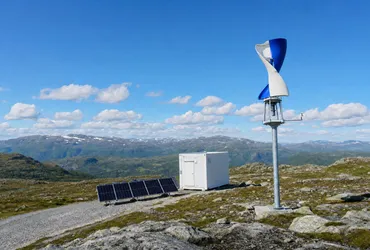
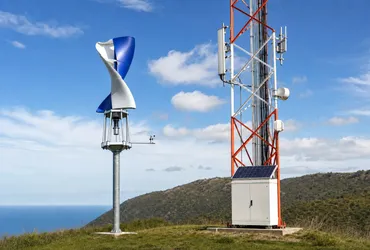
Cell towers, microwave repeaters and measuring stations without a stable grid: wind and PV charge the battery around the clock, diesel becomes the backup.
Telecom & remote power

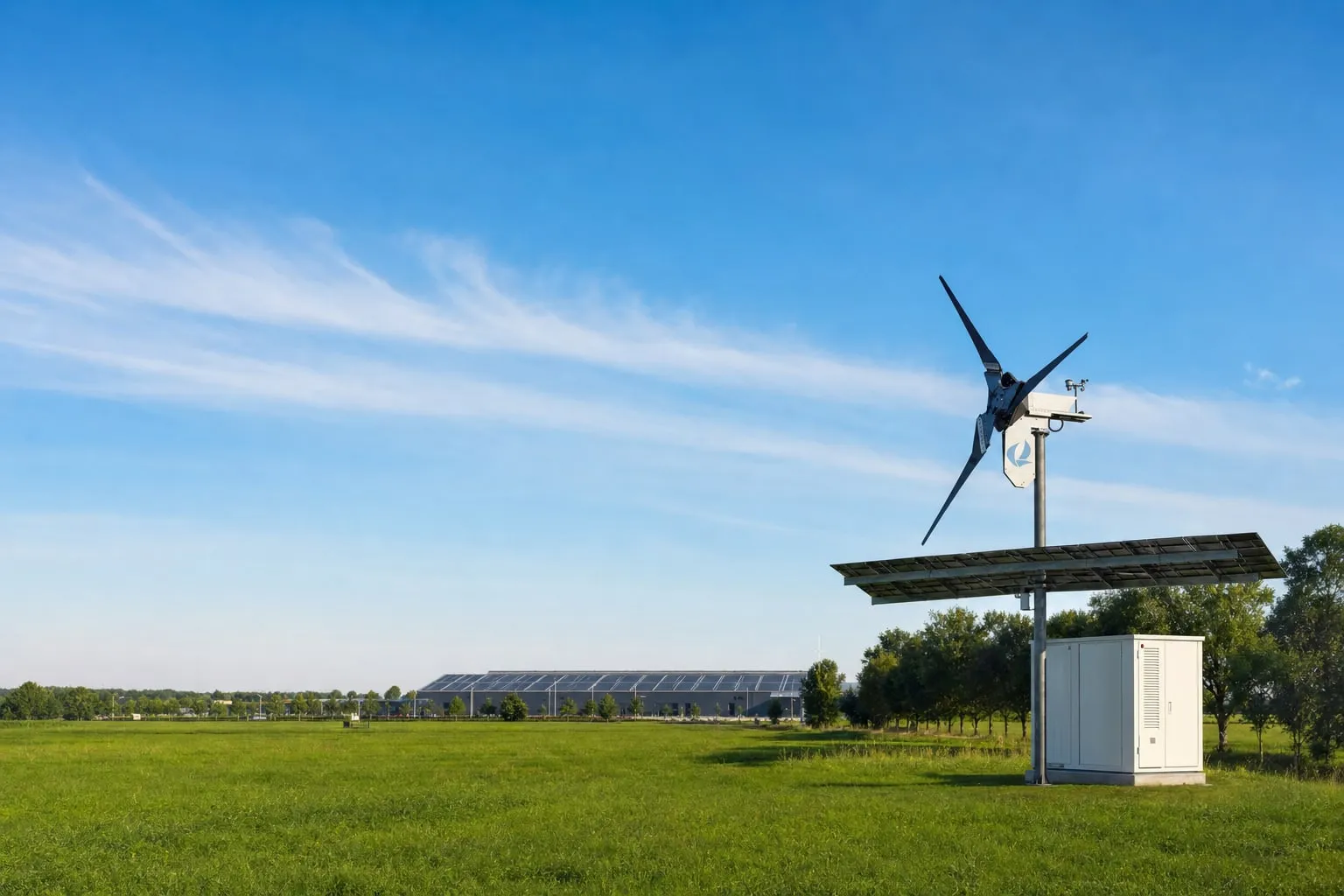
A wind solar hybrid system combines a small wind turbine with solar PV and battery storage to create a reliable off grid power system. Solar produces during the day and in summer, wind also at night and in winter. So the battery can be smaller than with solar alone, and the diesel generator becomes a mere backup.
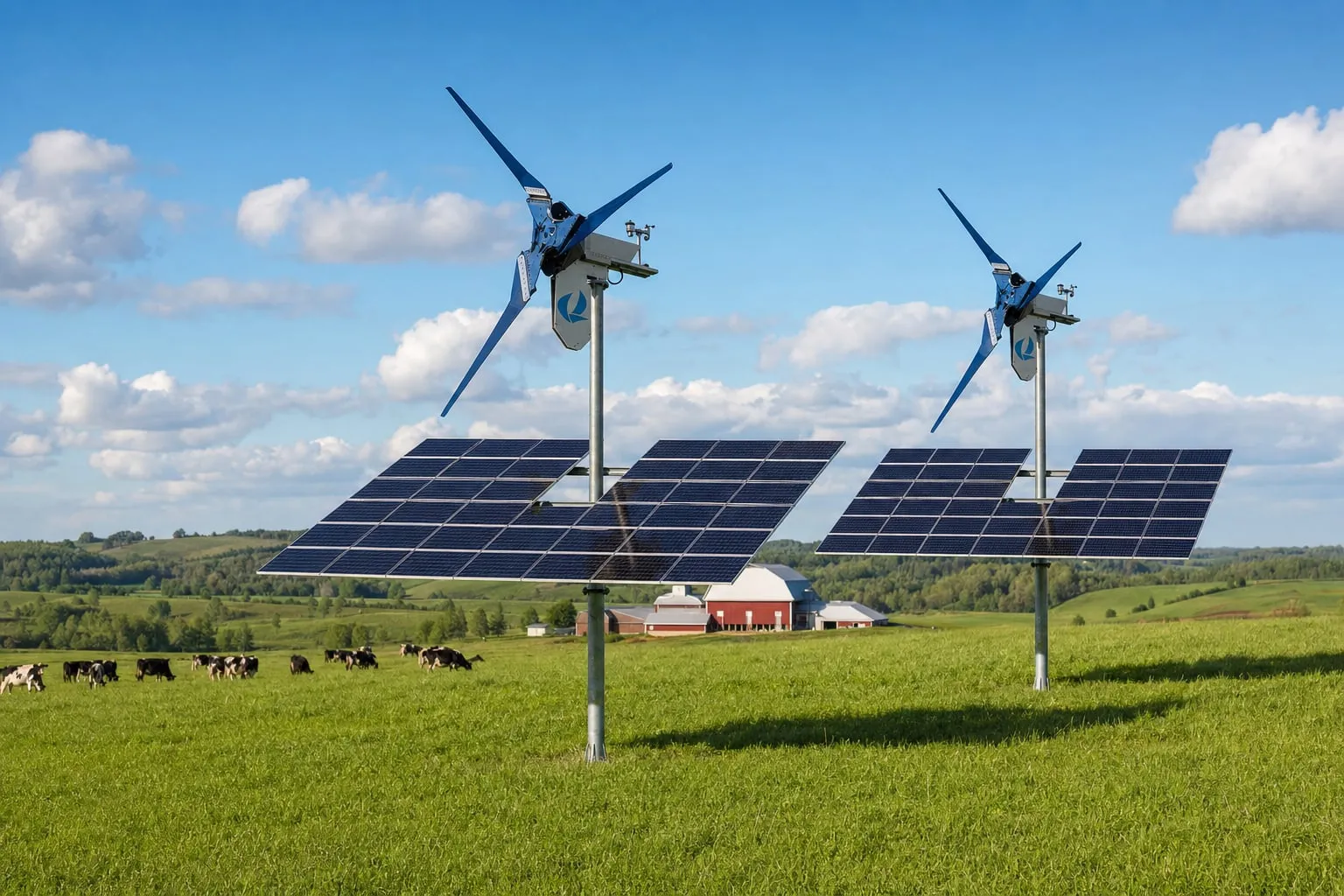
A solar-only off-grid system has to bridge every night and every overcast week from its batteries. That is exactly when an off grid wind turbine often delivers: in the evening, at night, during low-pressure weather and in the darker months. A solar wind hybrid system smooths the generation curve across the day and across the year.
For operators this means less storage capacity, fewer deep discharges, longer battery life and far fewer generator running hours. How well the profiles complement each other depends on the site – which is why every LuvSide project starts with a site assessment.
Solar PV only produces between sunrise and sunset with a midday peak. Wind blows around the clock and is often stronger in the evening and at night. Combined, the daily curve is much smoother. Schematic illustration, site-dependent.
Solar PV peaks in summer, wind in autumn and winter. Together the seasons largely balance each other out. Schematic illustration, site-dependent.
Cell towers, microwave repeaters and measuring stations without a stable grid: wind and PV charge the battery around the clock, diesel becomes the backup.
Telecom & remote power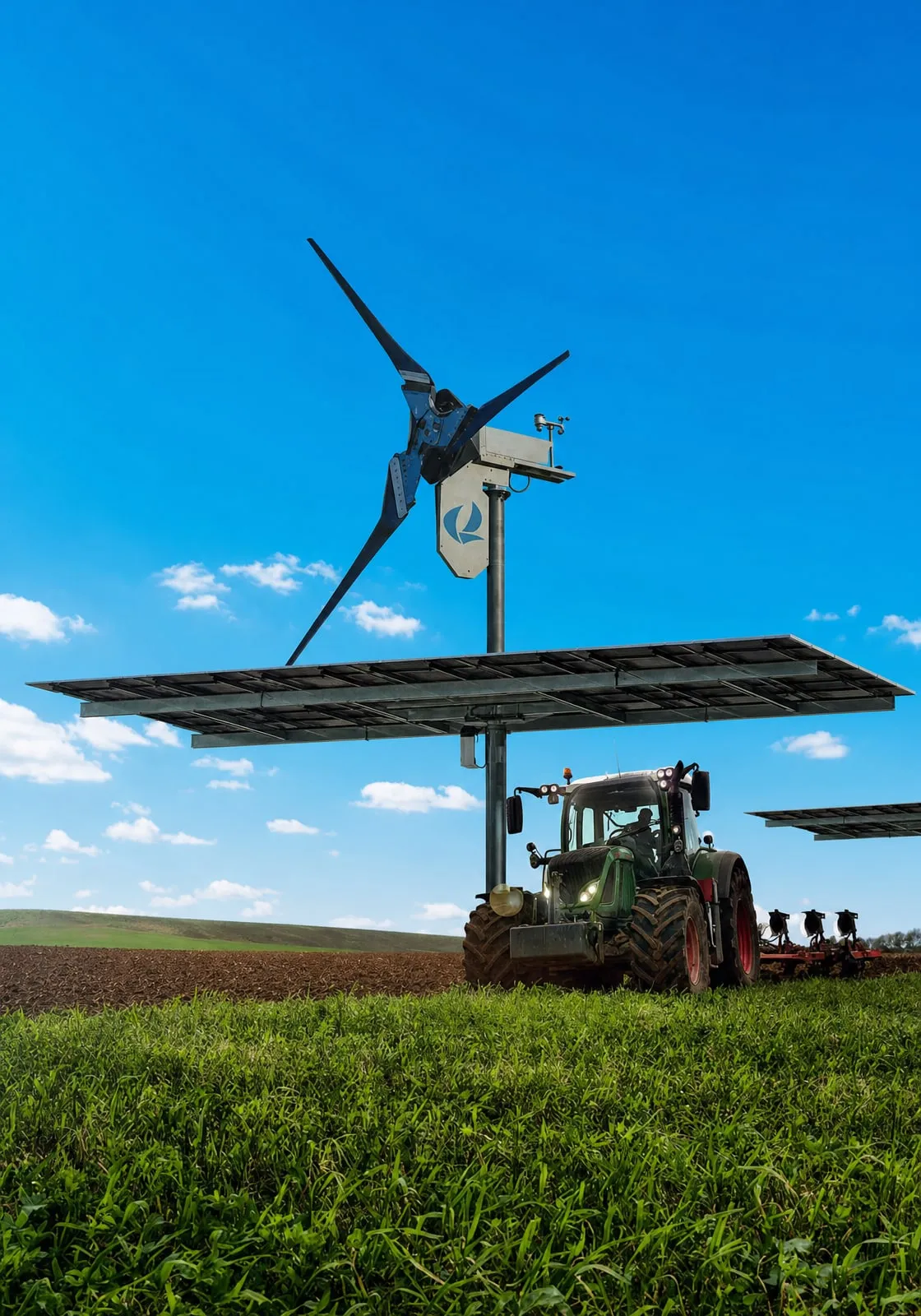
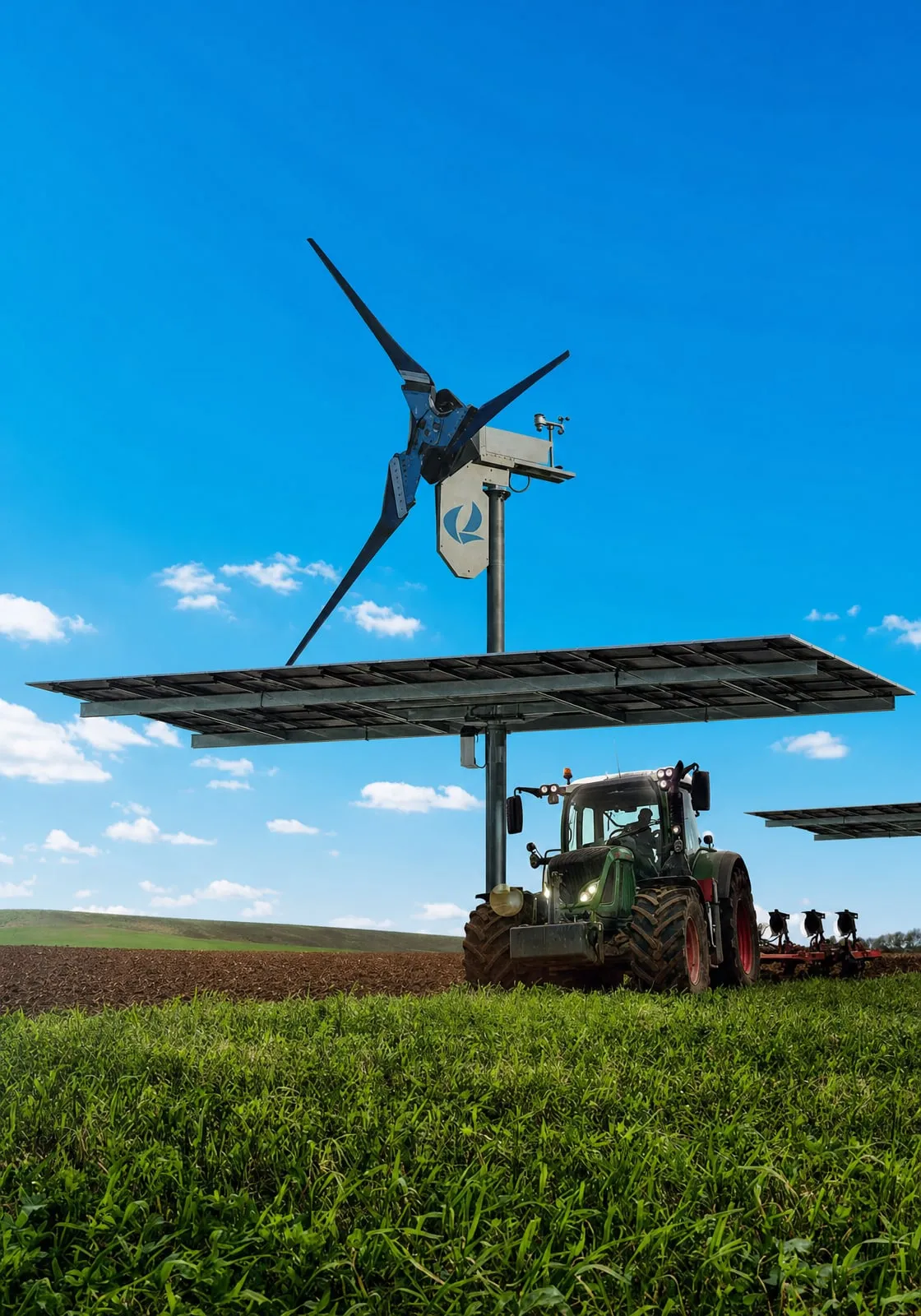
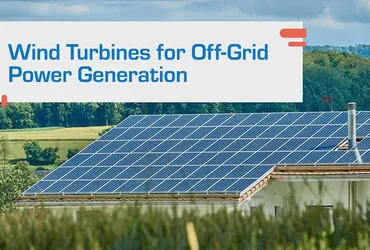
Pumps, cooling, electric fences and barns away from the grid: WindSun combines agri-PV and a wind turbine on the same plot.
Discover WindSun
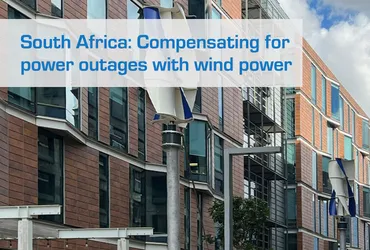
Own power against outages and rising tariffs – as at the V&A Waterfront in Cape Town, where load shedding is part of everyday life.
Cape Town reference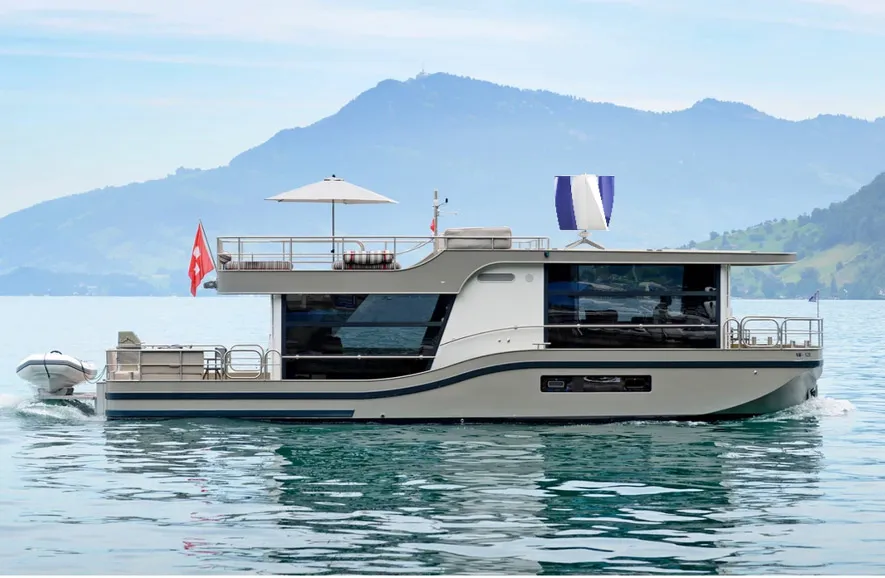
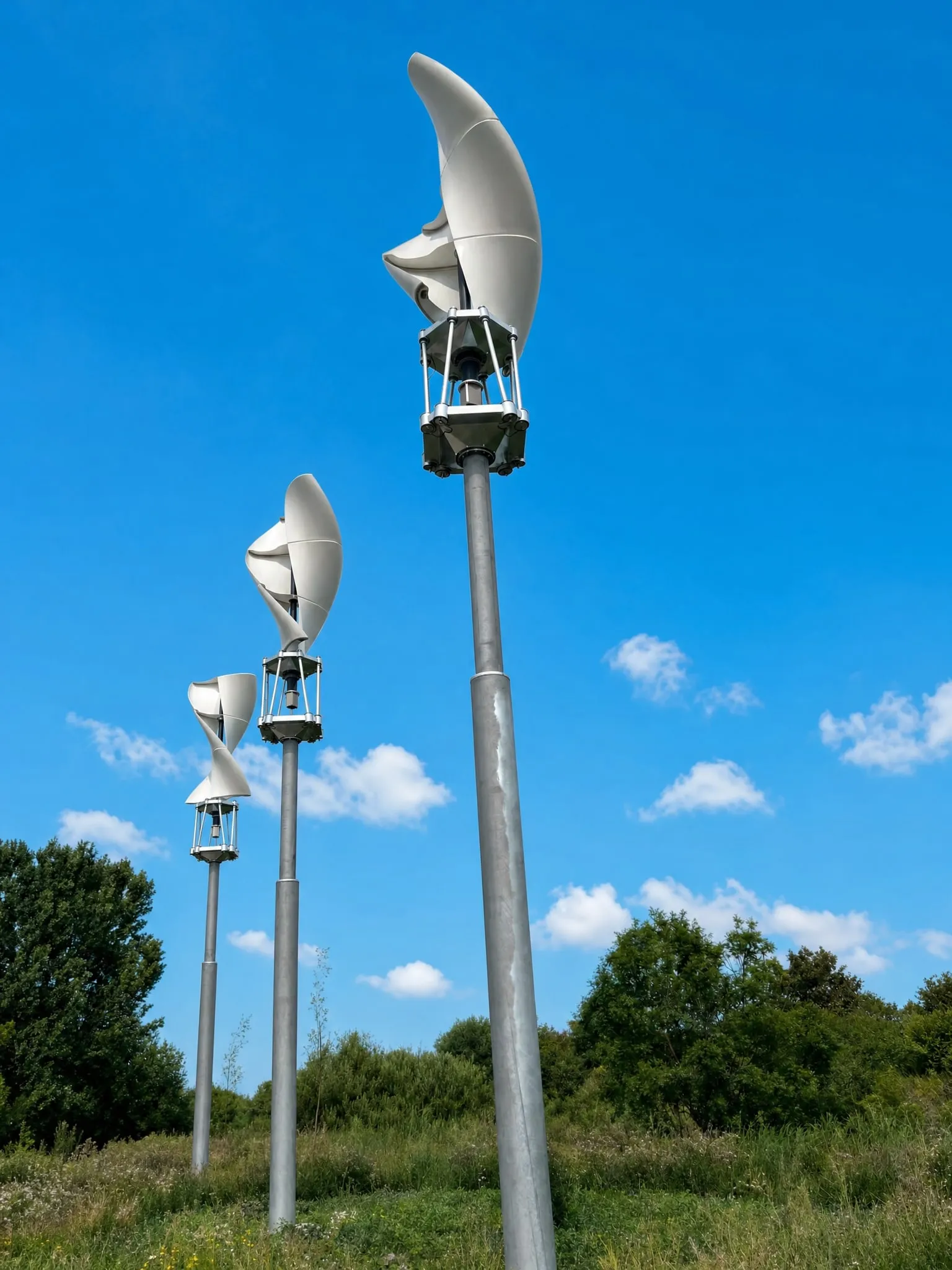
The LS Double Helix 0.5 Marina charges 48 V batteries almost silently and fills the gaps of a solar system on board or on the jetty.
The battery of an off-grid system bridges the time when neither wind nor sun produce enough. Three values are enough for a first estimate:
Battery capacity = daily consumption × days of autonomy ÷ usable depth of discharge
A diesel generator is cheap to buy but expensive to run. A hybrid system is the opposite: higher upfront investment, no fuel, less maintenance and logistics. Over the lifetime, operation decides – not the purchase price.
| Criterion | Diesel generator (alone) | Wind solar hybrid with storage |
|---|---|---|
| Investment | low (typ. USD 800–2,000/kW plus tank) | higher (small wind typ. USD 3,000–8,000/kW incl. tower and foundation); LuvSide quote on request |
| Fuel | ongoing, approx. 0.25–0.30 l diesel per kWh, volatile prices | none – wind and sunlight are free |
| Logistics | regular refuelling, storage, theft risk | no fuel deliveries; turbines cannot simply be carried away |
| Maintenance | oil change every 250–500 operating hours, filters, overhauls | annual inspection, typ. 1–3% of investment per year |
| Levelised cost of energy | typ. USD 0.30–0.80/kWh, more at very remote sites | typ. USD 0.10–0.25/kWh (small wind at good wind sites) |
| CO₂ & noise | approx. 2.6 kg CO₂ per litre of diesel, 60–80 dB | no CO₂ in operation, small wind approx. 35–45 dB |
| Supply | weather-independent as long as fuel is available | 24/7 from wind, PV and battery; diesel optional as backup |
Ranges are typical industry values (2025) and do not replace a project calculation. More in our article wind solar hybrid vs. diesel generator.
WindSun combines the LS HuraKan 8.0 horizontal axis wind turbine with a solar module made of solar tubes into one system with up to 28 kW nominal power. An intelligent controller coordinates both sources – for example by switching on the wind turbine at night via the solar system. Turbine and PV share a concrete-free lightweight foundation.
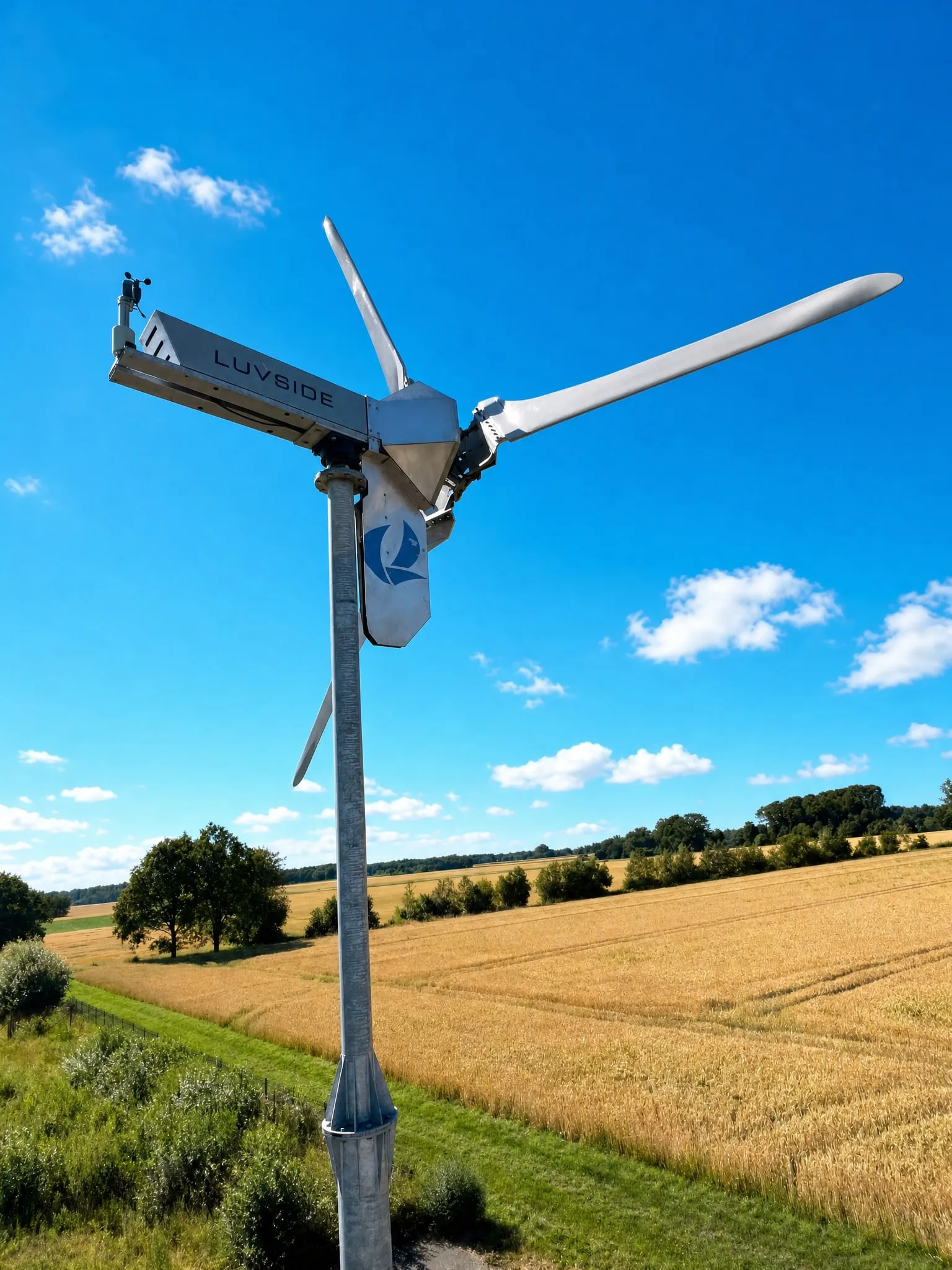
Horizontal wind turbine & photovoltaics
Horizontal wind power turbine
Vertical wind turbine
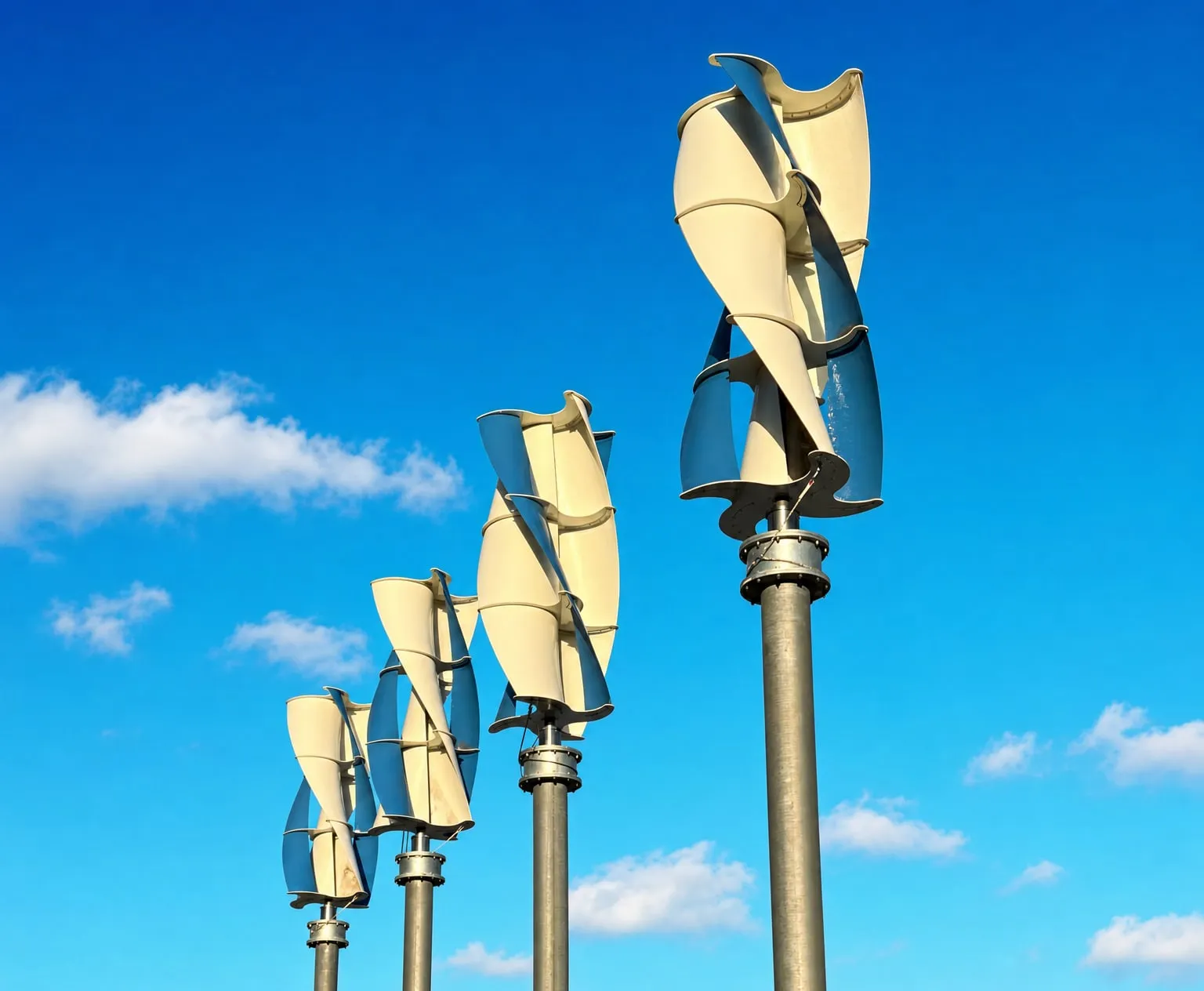
Vertical wind turbine
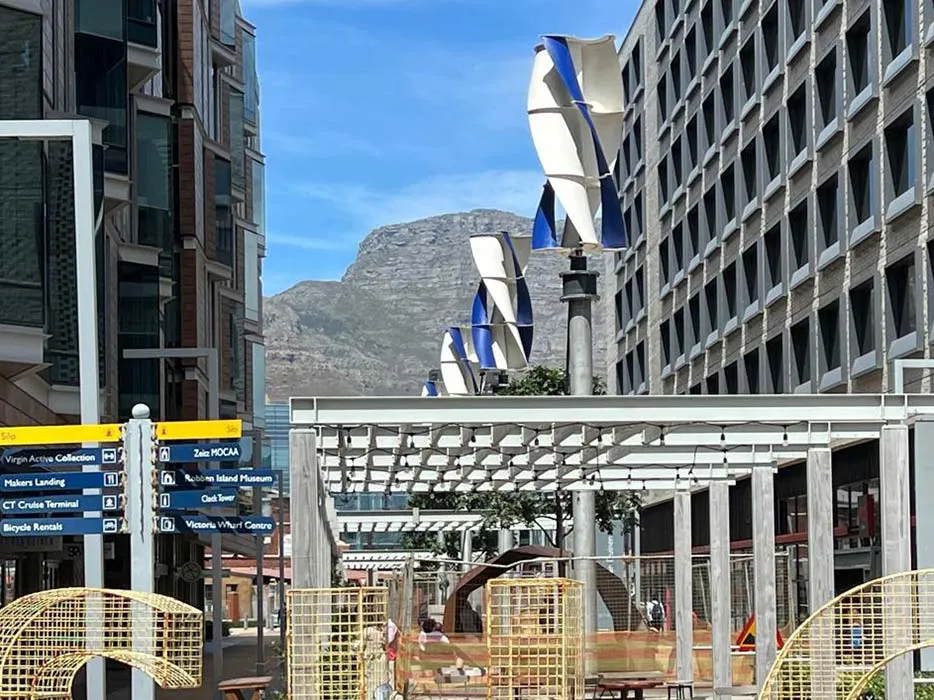
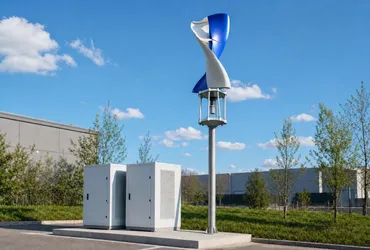
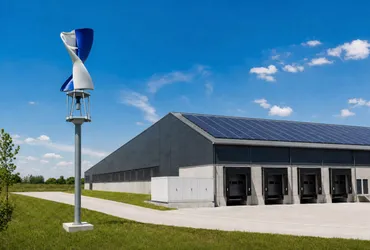
In March 2024 LuvSide installed four LS Double Helix 1.0 at the V&A Waterfront, funded by the RES programme of the German Energy Solutions Initiative. In a country with frequent load shedding, the project shows how small wind strengthens on-site supply.
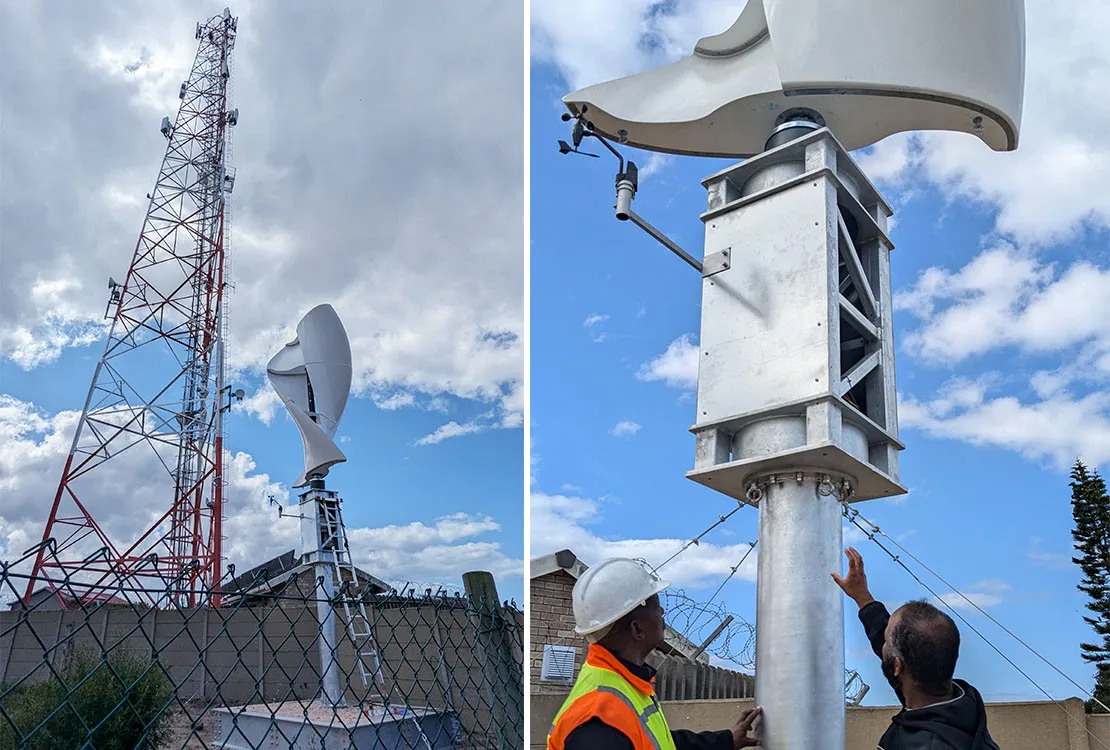
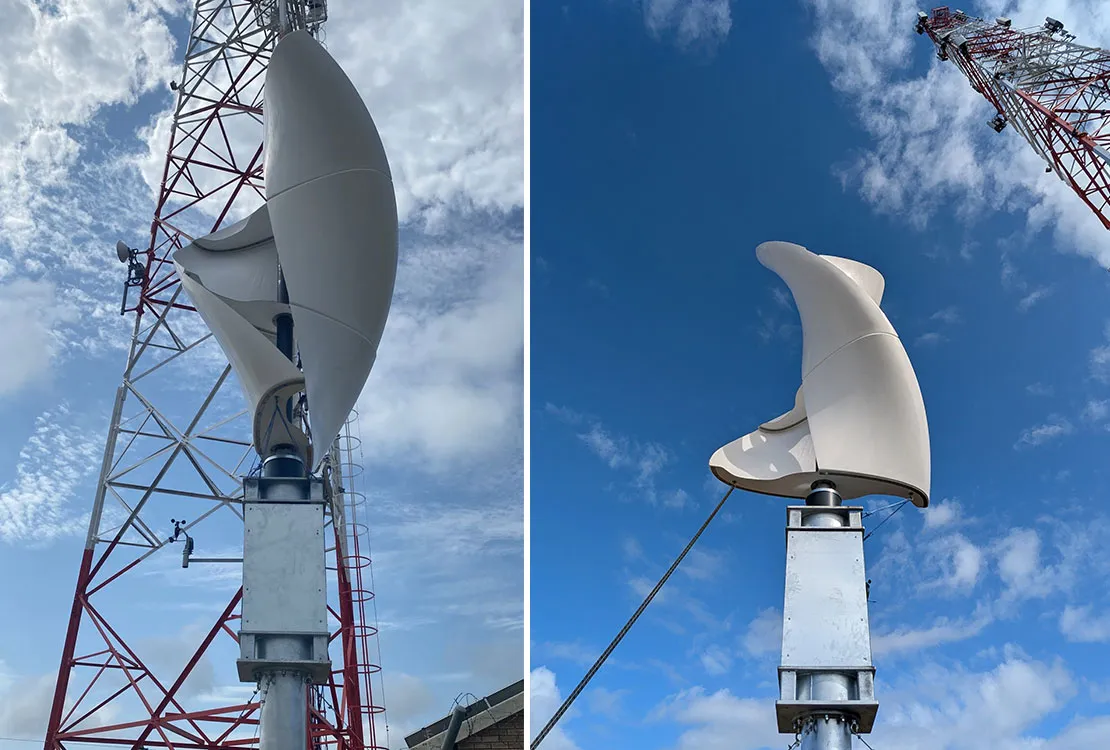
In summer 2024 a South African network operator commissioned LuvSide to install a test system on a cell tower. The goal: replace diesel generators, which are frequently stolen, with wind and storage.
Application & Operation, Sustainability, Wind Turbines, WindyBlog
How does a business or remote site become energy independent? The basics of off grid power, the right energy sources and 8 proven strategies – from wind solar hybrid systems to battery storage.
More infoLuvSide News, Wind Turbines, Solar Power & Wind Turbines, WindyBlog
Diesel generator or wind solar hybrid system with storage? This comparison covers power output, fuel and maintenance costs, levelised cost of energy and emissions – and explains why hybrid systems are displacing diesel at remote sites.
More infoLuvSide News, Solar Power & Wind Turbines, Wind Turbines, WindyBlog
Wind, solar PV and battery storage as one integrated system: technical basics, core components, sizing, economics and implementation steps for industrial and commercial projects.
More infoApplication & Operation, Horizontal Wind Power, LuvSide News, Vertical Wind Power, Wind Energy, Wind Turbines, WindyBlog
This article examines how combining wind turbines with solar panels creates cost synergies across fuel savings, maintenance reduction, optimized energy storage, and extended equipment lifespans—with practical guidance on system sizing, component selection, and implementation strategies that maximize return on investment.
More infoLuvSide News, Wind Turbines, WindyBlog
Telecom towers need power around the clock – often far from the grid. How hybrid wind-solar systems with battery storage replace diesel generators, meet SLA requirements and cut operating costs at telecom sites.
More infoLuvSide News, References & Projects, Vertical Wind Power
In the windy regions of South Africa, small wind turbines are an adequate option for taking the power supply into one’s own hands. In any case, they are the cheaper and more environmentally friendly alternative to diesel generators, which are harmful to health and the environment. Our aim is to anchor this awareness in the South African population.
More infoA wind solar hybrid system combines one or more small wind turbines with solar panels, a battery bank and a shared controller. Because wind and sun produce at different times of day and year, the supply is much steadier than with a single source.
Wherever power is needed at night, in winter or during long overcast periods, usually yes. Wind fills exactly those gaps, so the battery can be smaller and the backup generator runs far less. At sites with very little wind, solar plus storage may be sufficient – a site assessment tells you which applies.
LuvSide’s vertical turbines start producing power from 3 m/s. For an economical project, an average wind speed of at least about 4 m/s at hub height is a good rule of thumb. Coastal, hilltop and open sites are usually well suited.
Rule of thumb: daily consumption × days of autonomy ÷ usable depth of discharge. With 10 kWh per day, 3 days of autonomy and 80% depth of discharge you need about 37.5 kWh. Hybrid systems typically need fewer days of autonomy than solar-only systems.
In many cases yes – or it reduces running hours drastically. Hybrid controllers integrate wind and PV into existing diesel and battery systems and only start the generator when the state of charge drops below a threshold, so existing generators can stay on site as backup.
For sites that need power 24/7 – telecom towers, monitoring stations, farms, remote facilities – a combination of wind, solar and battery storage with an optional backup generator is usually the most reliable and economical option. It avoids fuel logistics while covering nights and winters.
The cost depends on power rating, tower height, foundation, PV area, battery size and installation effort. LuvSide provides a binding quote after a site assessment, including a yield forecast and a comparison with your current diesel or grid costs.
LuvSide develops systems for businesses, agriculture and infrastructure. As a private customer, please contact one of our distribution partners in your region.
Tell us about your site and energy demand. Our engineers assess wind conditions and load profile and size turbine, PV and battery to match – also as an addition to an existing diesel generator.
Private customer? Our distribution partners will be happy to advise you locally.