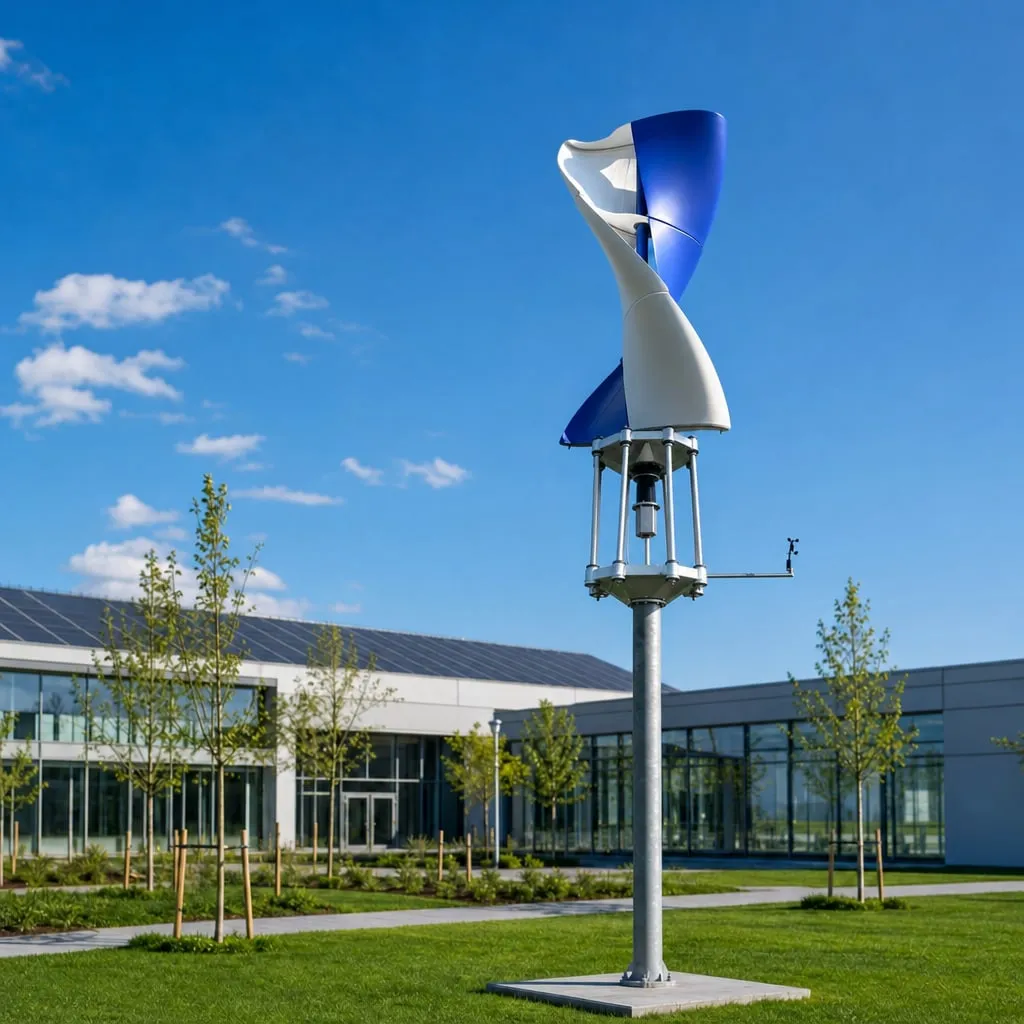
Commercial & industrial
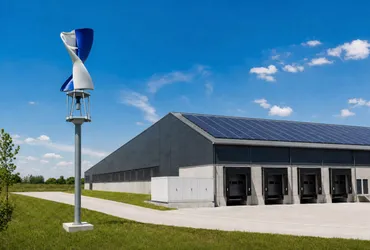
On-site power for halls, office buildings and car parks – visibly sustainable and less exposed to electricity prices.
Vertical axis wind turbines

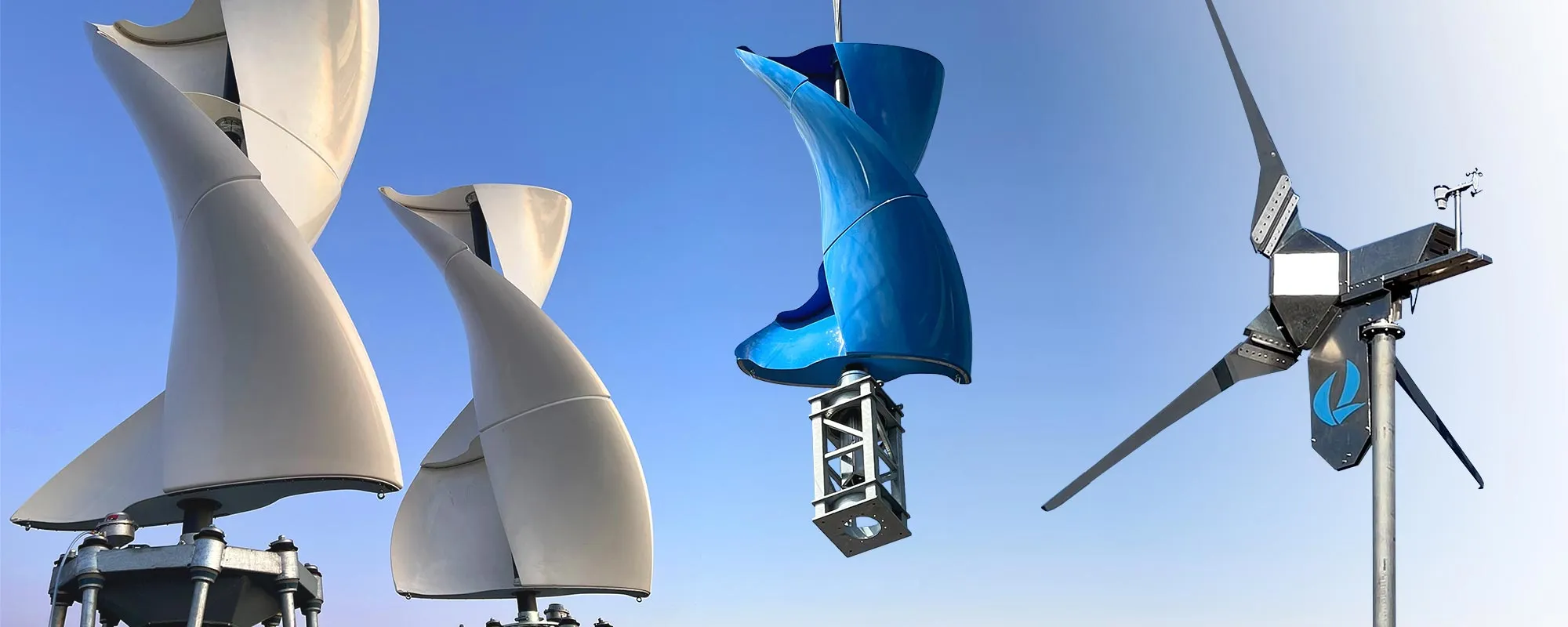
Small wind power made in Germany · since 2014
A small wind turbine is a compact wind generator, typically under 50 metres in total height, that produces electricity right where it is used. Businesses, farms and remote infrastructure use it for on-site power – especially at night and in winter, when solar panels deliver little. LuvSide designs and builds systems from 0.5 to 28 kW near Munich, Germany.
01 Why wind
The wind keeps blowing when the sun does not – at night, in winter, in a storm.
A small wind turbine is a compact turbine that generates electricity where it is consumed. Instead of feeding a large grid, it powers your business, your farm or your technical site – grid-tied, with battery storage or fully off-grid.
That makes small wind the natural partner of solar power: when the PV system takes a break, the wind keeps working. Together they provide a supply that carries you around the clock.
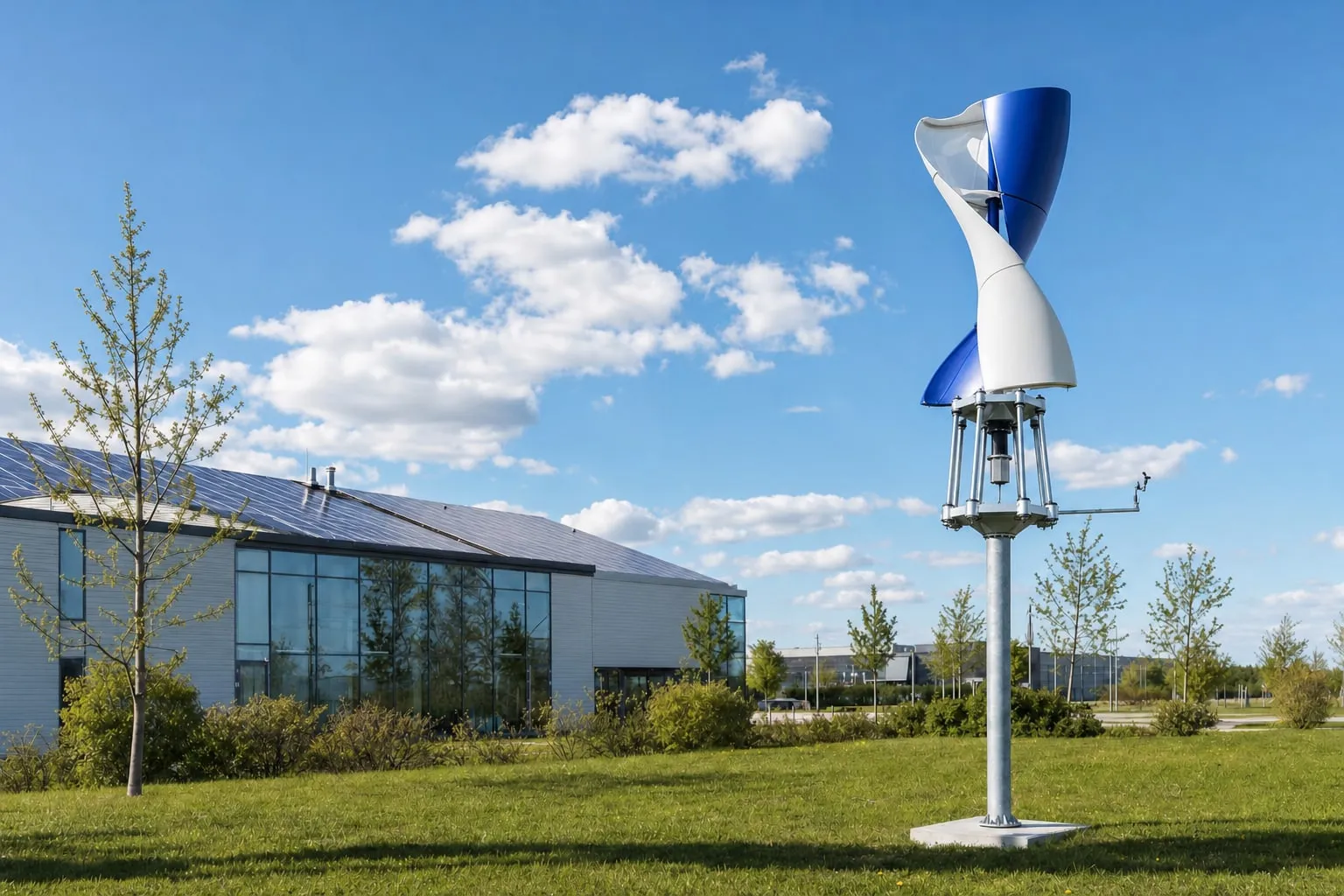
02 Who we are
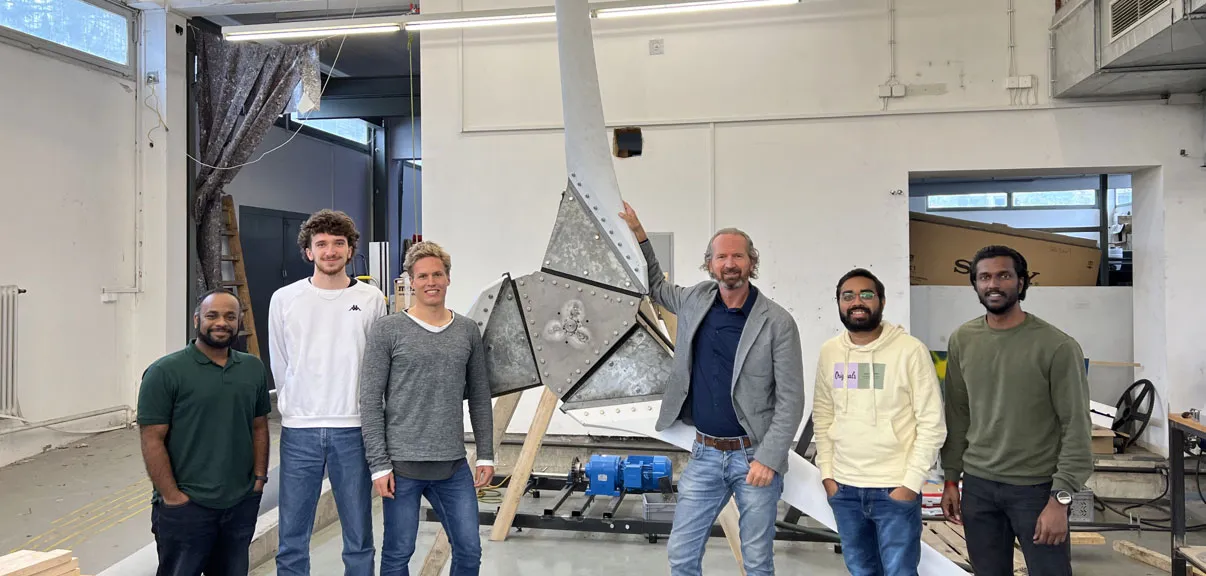
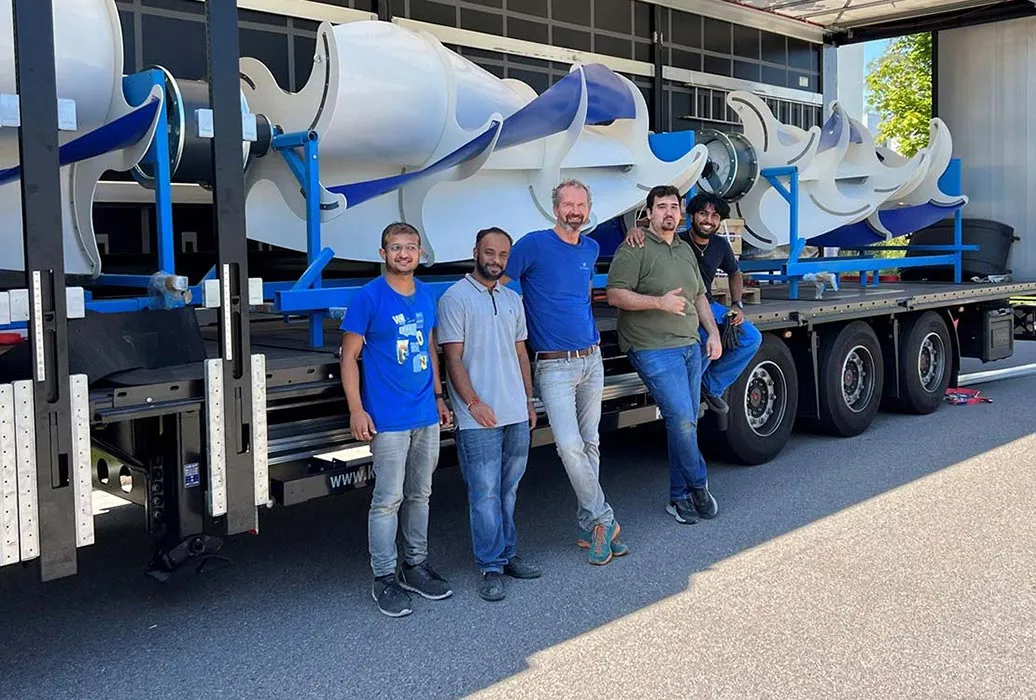
Since 2014 we have been developing, building and selling small wind turbines near Munich – both vertical and horizontal axis. Every turbine is created in-house, from the first calculation to delivery.
We are driven by a simple conviction: anyone who works in a windy region should be able to use that energy themselves. That is why we do not think in datasheets but in sites, businesses and people who depend on their power supply.
03 Where it pays off
Small wind pays off where power is needed at night, where the grid connection is weak or where diesel used to be the only option. LuvSide turbines already work in these sectors:
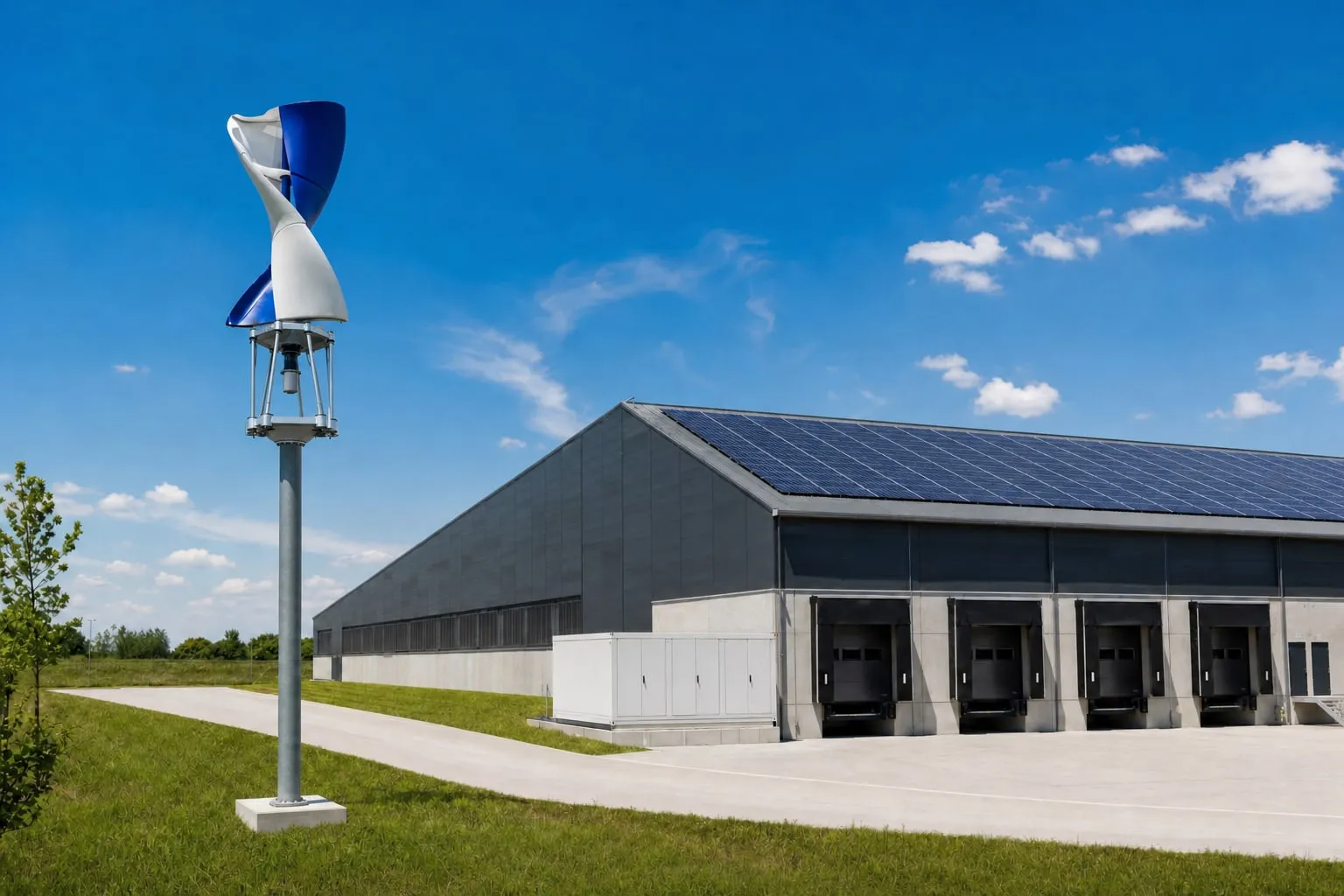
On-site power for halls, office buildings and car parks – visibly sustainable and less exposed to electricity prices.
Vertical axis wind turbines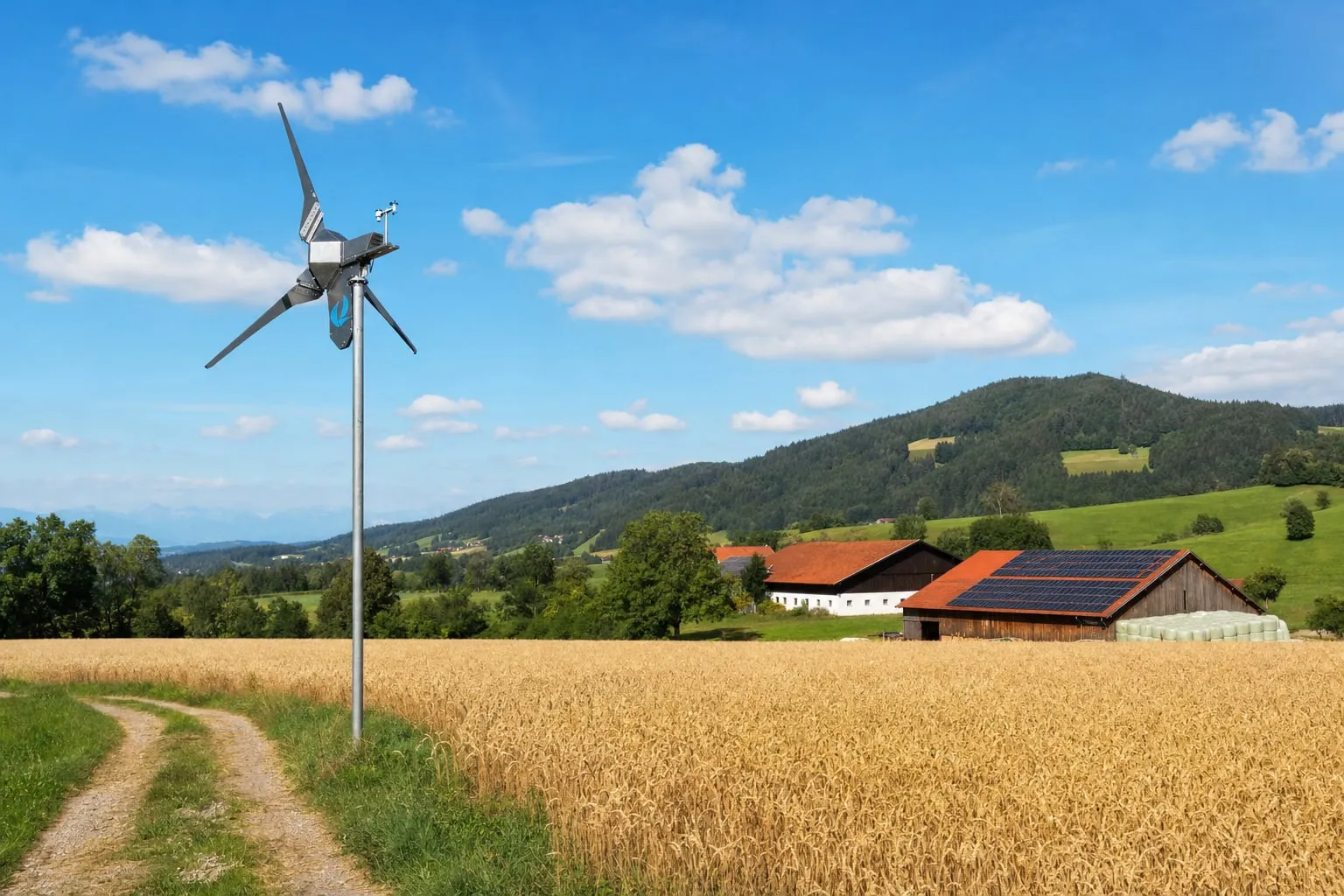
Wind power for barns, cooling, irrigation and drying – especially at night and in winter, when PV produces little.
Agrivoltaics & wind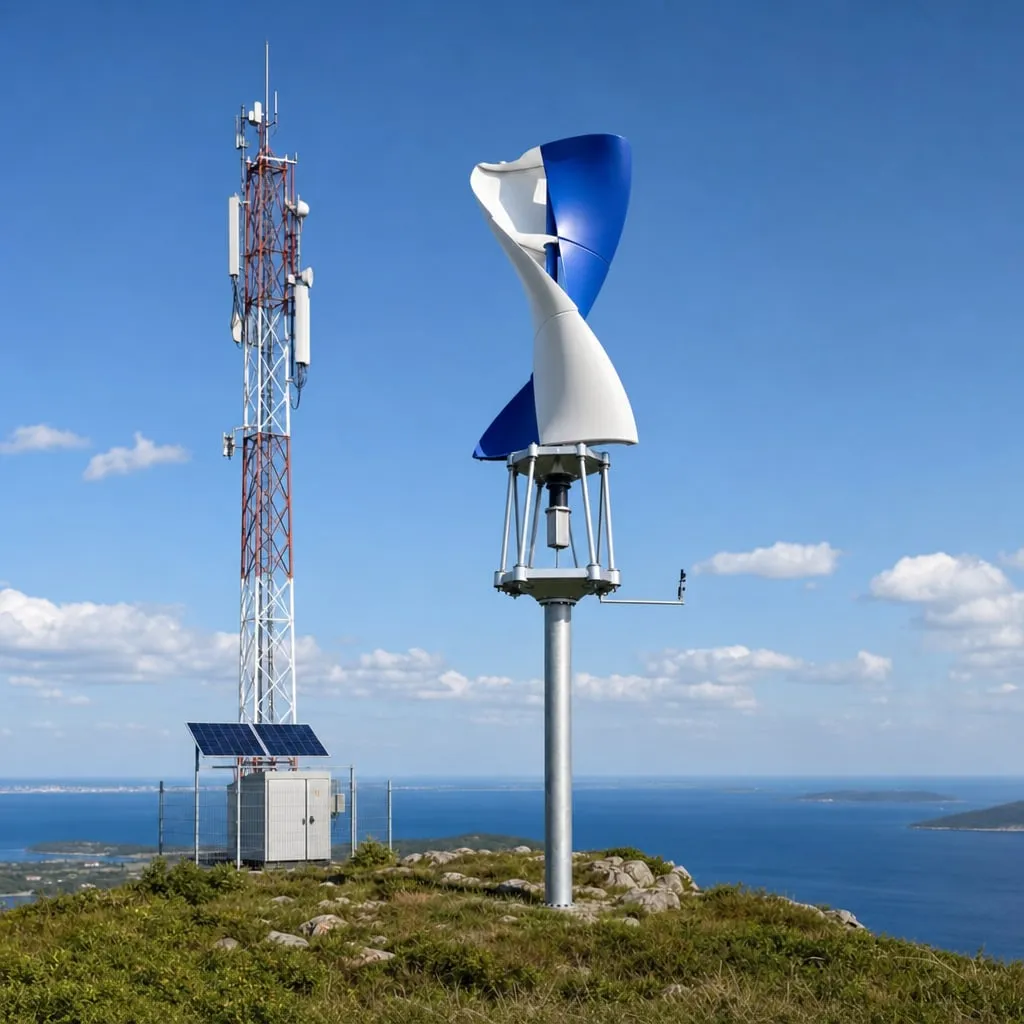
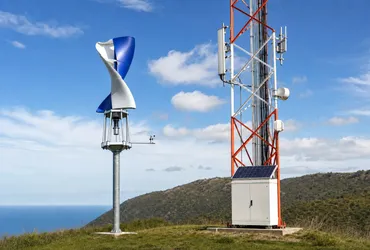
Telecom towers and monitoring stations without a stable grid connection – wind replaces or relieves the diesel generator.
Telecom & remote power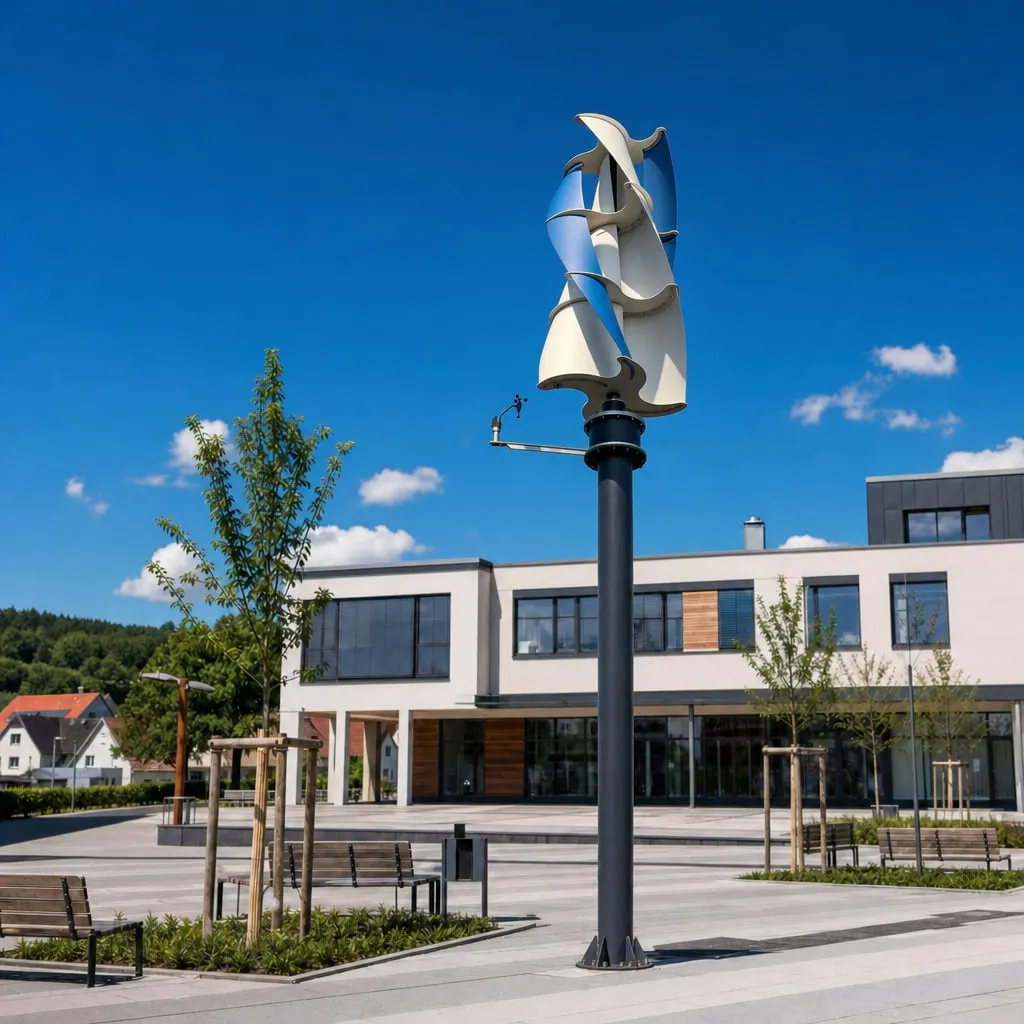
Transport and utility infrastructure, universities, public buildings: decentralised, quiet and suitable for urban sites.
Project Kiel University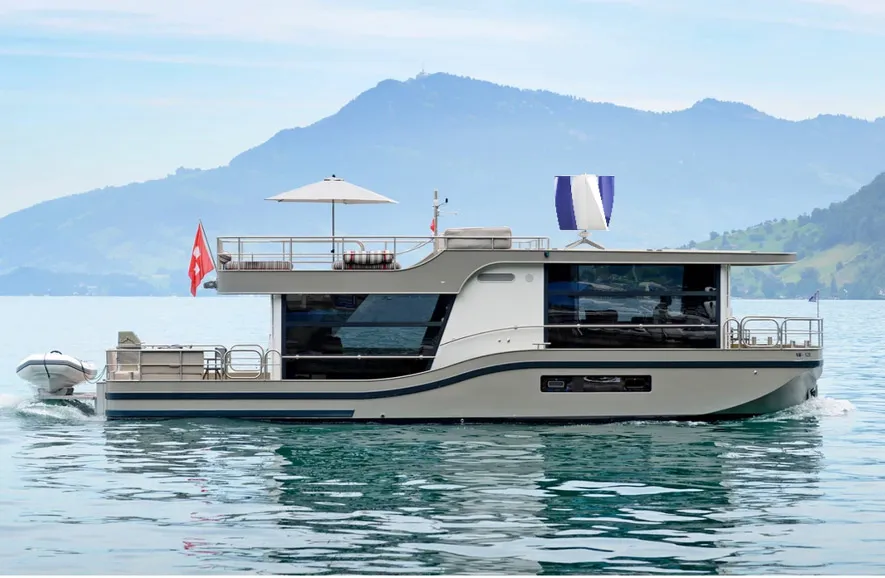
Seawater-resistant turbines charge 48 V battery systems at harbours and on boats – almost silently.
LS Double Helix 0.5 Marina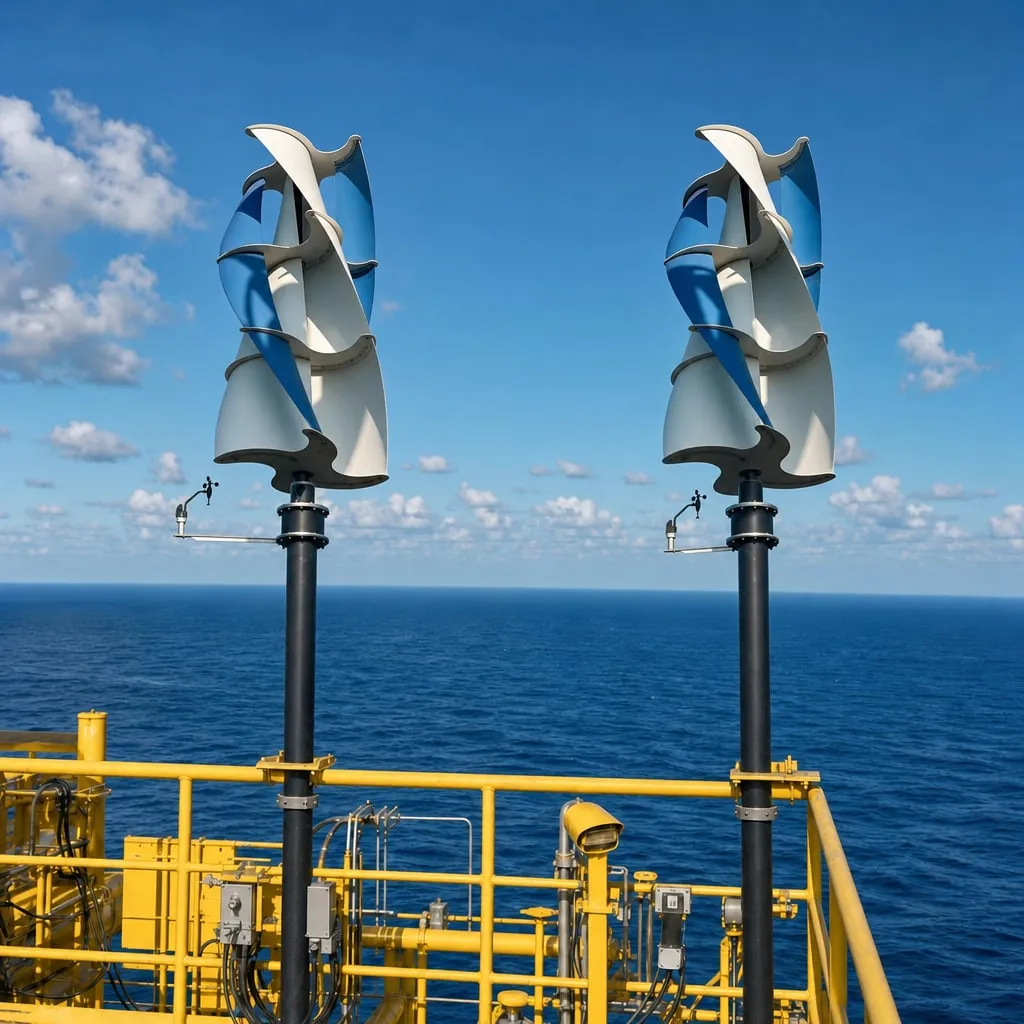
Small wind as an uninterruptible on-site supply for the control and safety systems of large wind farms.
More about the UPS solution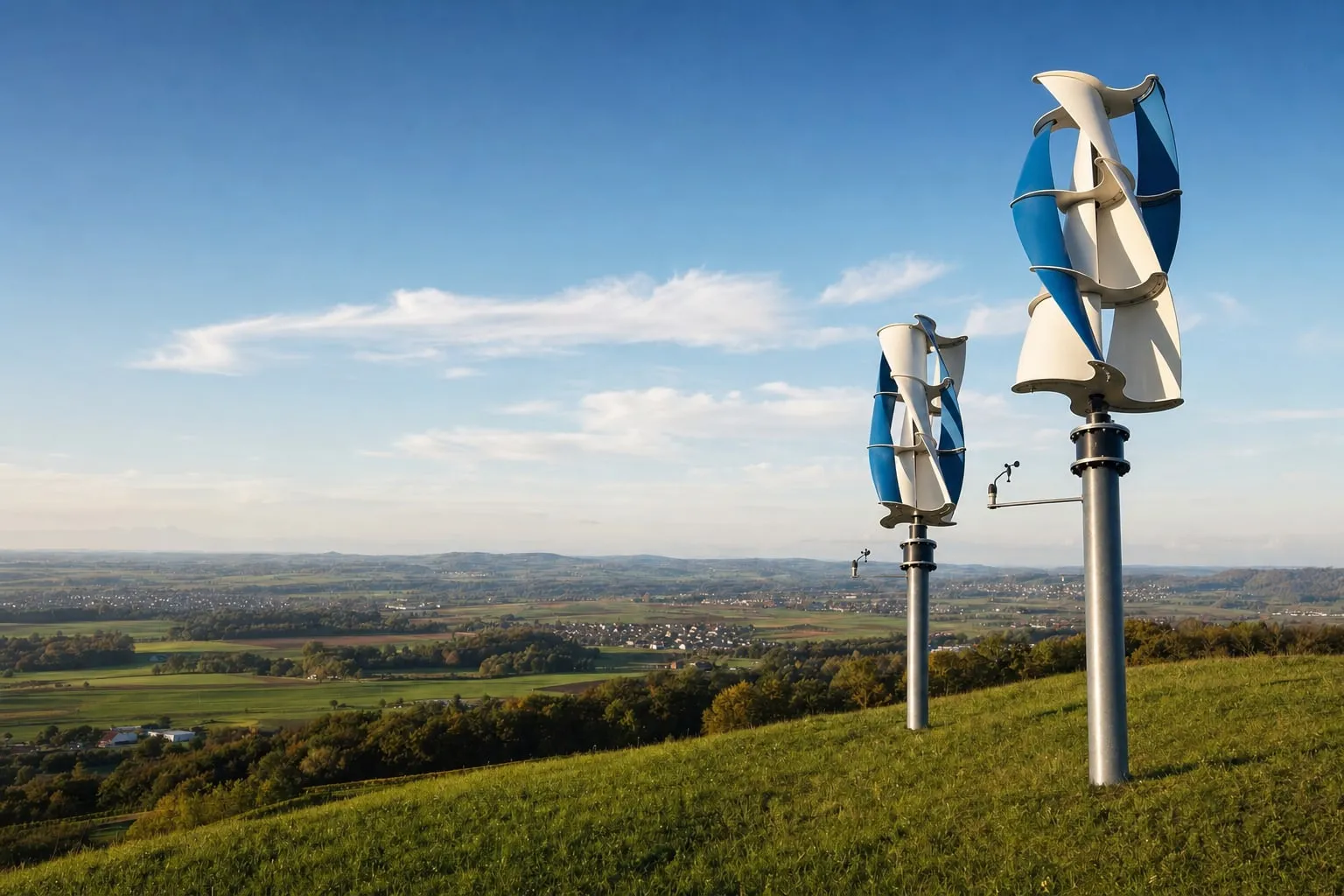
From Ottobrunn to Cape Town
04 The right technology
The right turbine depends on your site, not on a catalogue. Two designs, two strengths – we build both.
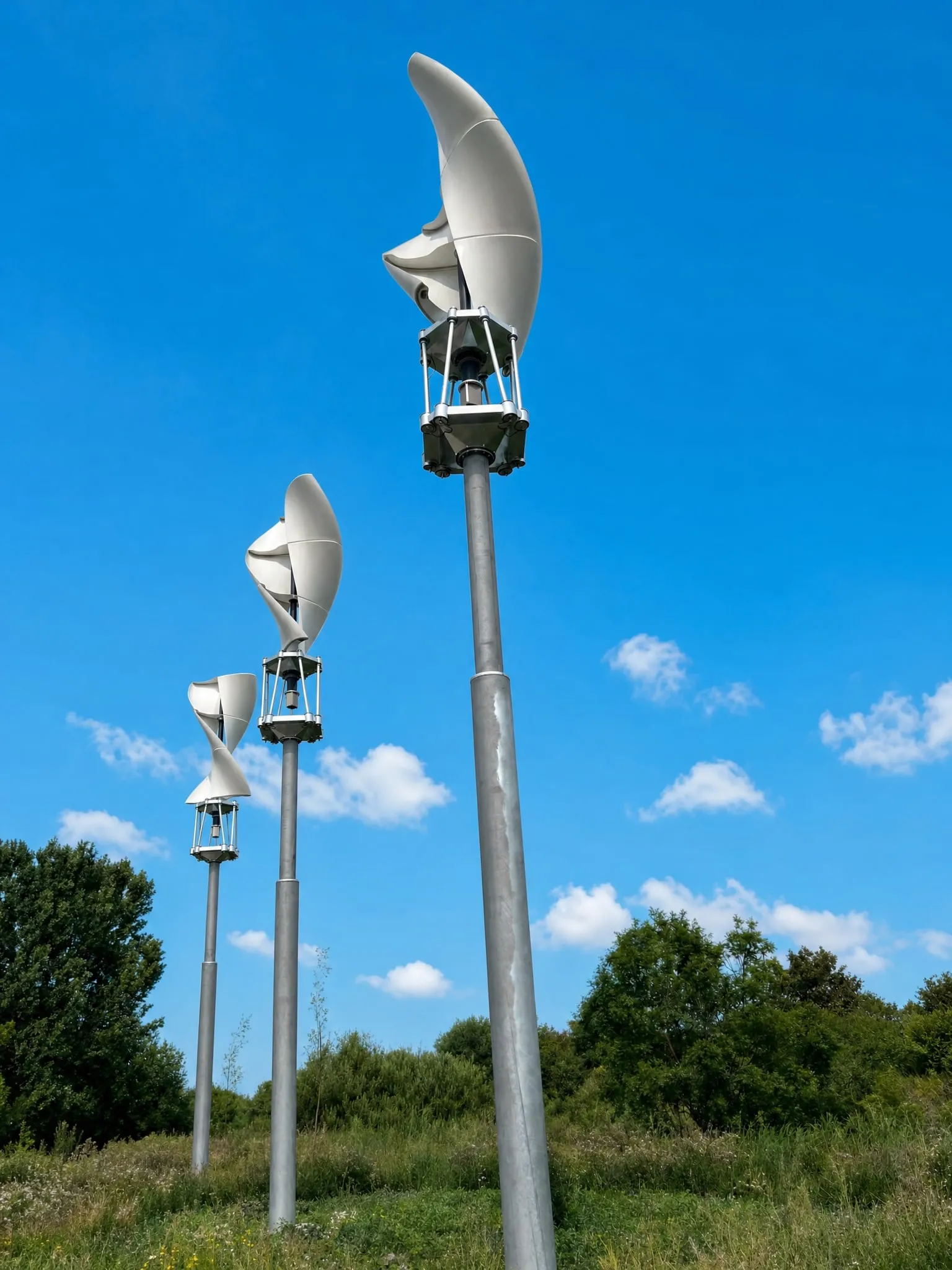
| Criterion | Vertical axis wind turbine | Horizontal axis wind turbine |
|---|---|---|
| Wind direction | 360° – no yaw system needed | aligns itself with a tail vane |
| Turbulent wind (cities, buildings) | very well suited | better on open sites |
| Noise & shadow | almost silent, no shadow flicker | low, depends on the site |
| Efficiency / annual yield | lower, but steady | higher with free-flowing wind |
| Typical installation | roof, mast, harbour, company premises | open land, farm, industrial estate |
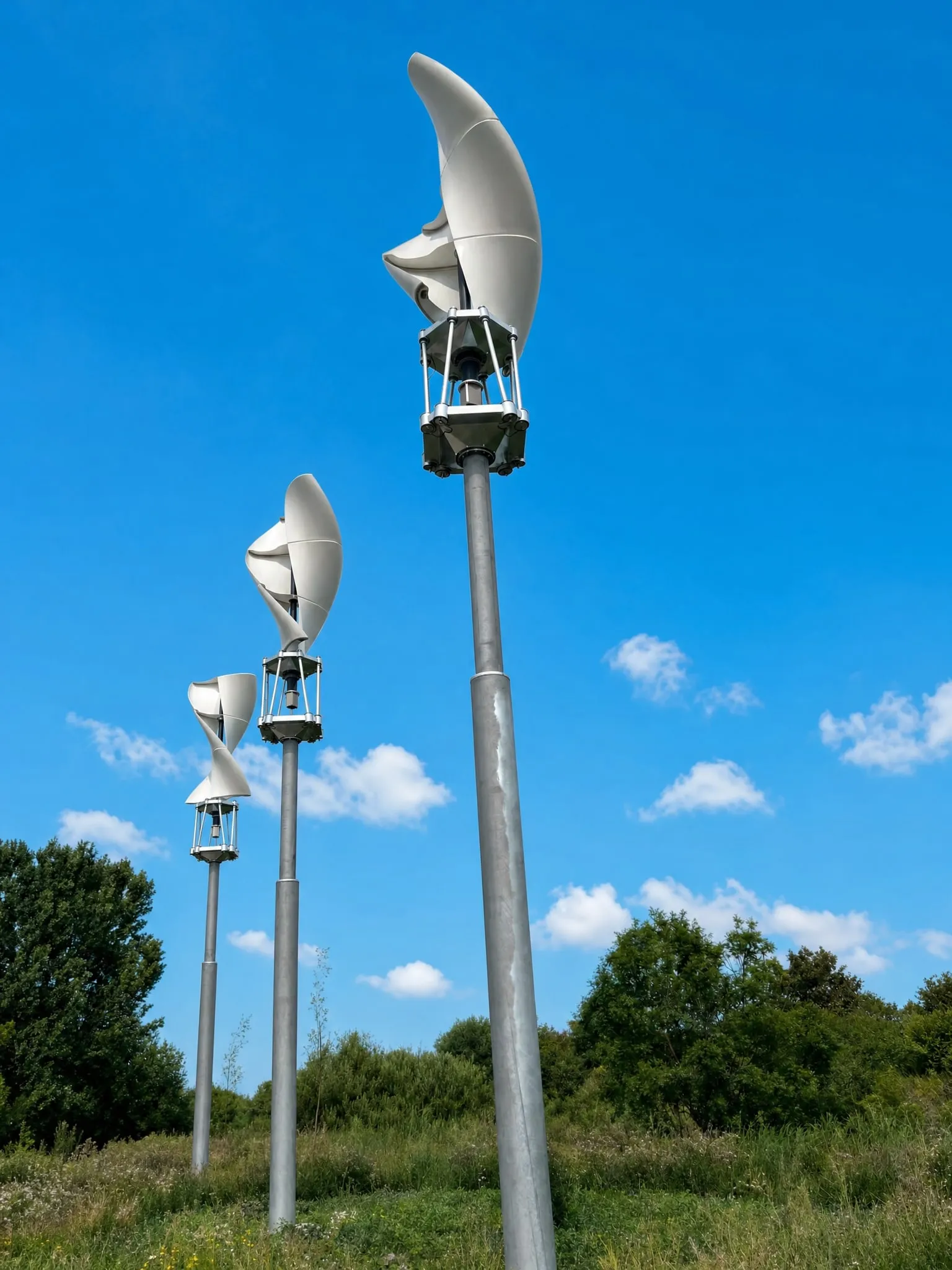
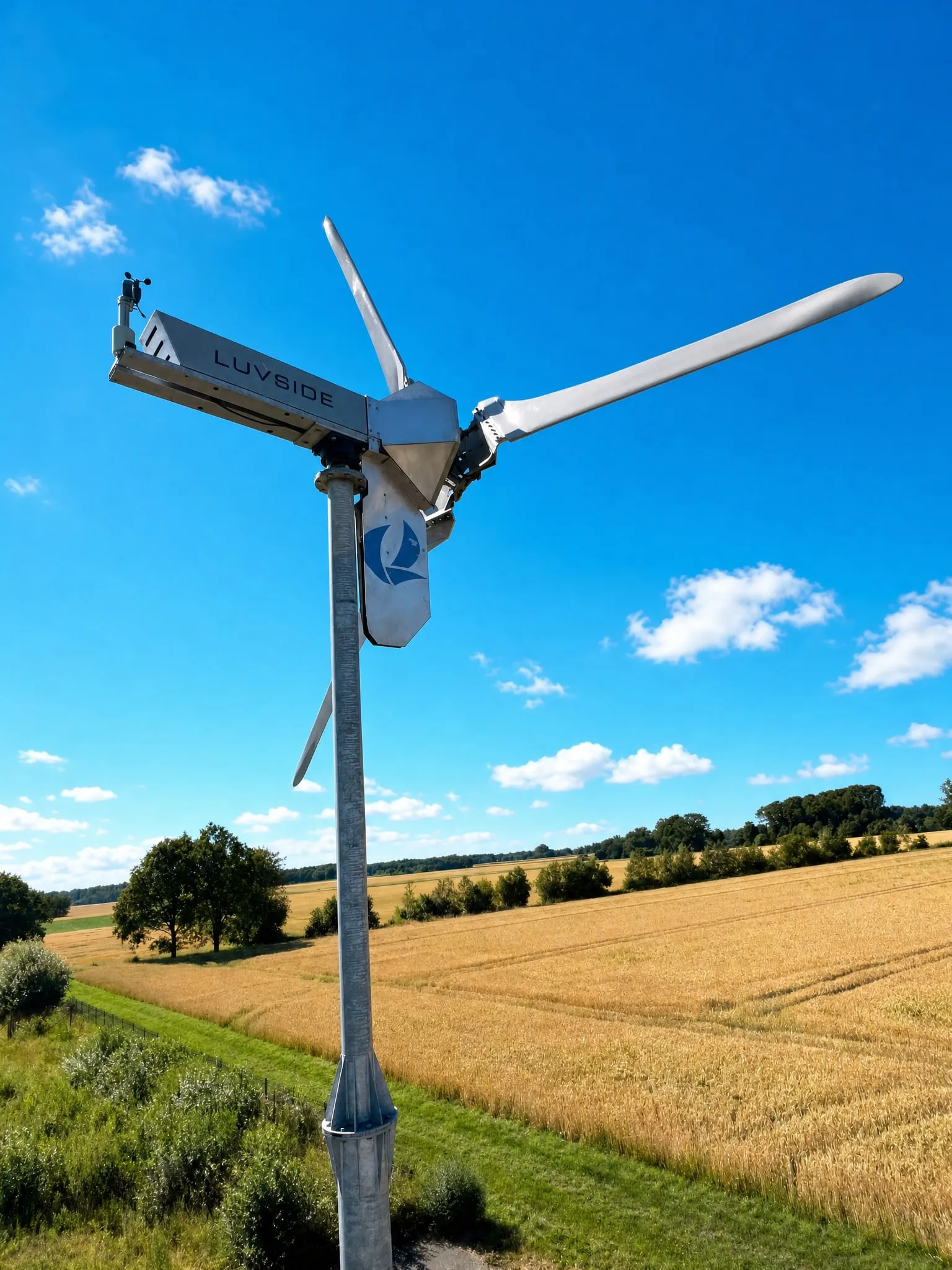
| LuvSide models | LS Double Helix 0.5 / 1.0, LS Helix 3.0 | LS HuraKan 8.0, WindSun |
Guides: How vertical axis wind turbines work · Horizontal axis turbines compared
From the off-grid turbine for battery systems to the WindSun wind-solar hybrid: every model is designed and built in Germany. Annual yields are manufacturer figures and depend on the site.
| Model | Type | Rated power | Start-up from | Annual yield approx. | Typical use |
|---|---|---|---|---|---|
| LS Double Helix 0.5 Marina | vertical | 0.5 kW | 3 m/s | 300 kWh | ports, boats, flat roofs (off-grid, 48 V) |
| LS Double Helix 1.0 | vertical | 1.0 kW | 3 m/s | 1,000 kWh | off-grid with 24/48 V batteries, mast or roof |
| LS Helix 3.0 | vertical | 3.0 kW (max. 5.0 kW) | 4 m/s | 2,500 kWh | roof (vibration damper), mast, company premises |
| LS HuraKan 8.0 | horizontal | 8.0 kW | 3 m/s | 12,000 kWh¹ | open land, farm, industrial estate; tilt-up mast |
| WindSun | wind + PV | up to approx. 28 kW | – | depends on the PV module | agrivoltaics, carports, car parks |
¹ According to the datasheet for a good site with an average wind speed of 6 m/s.
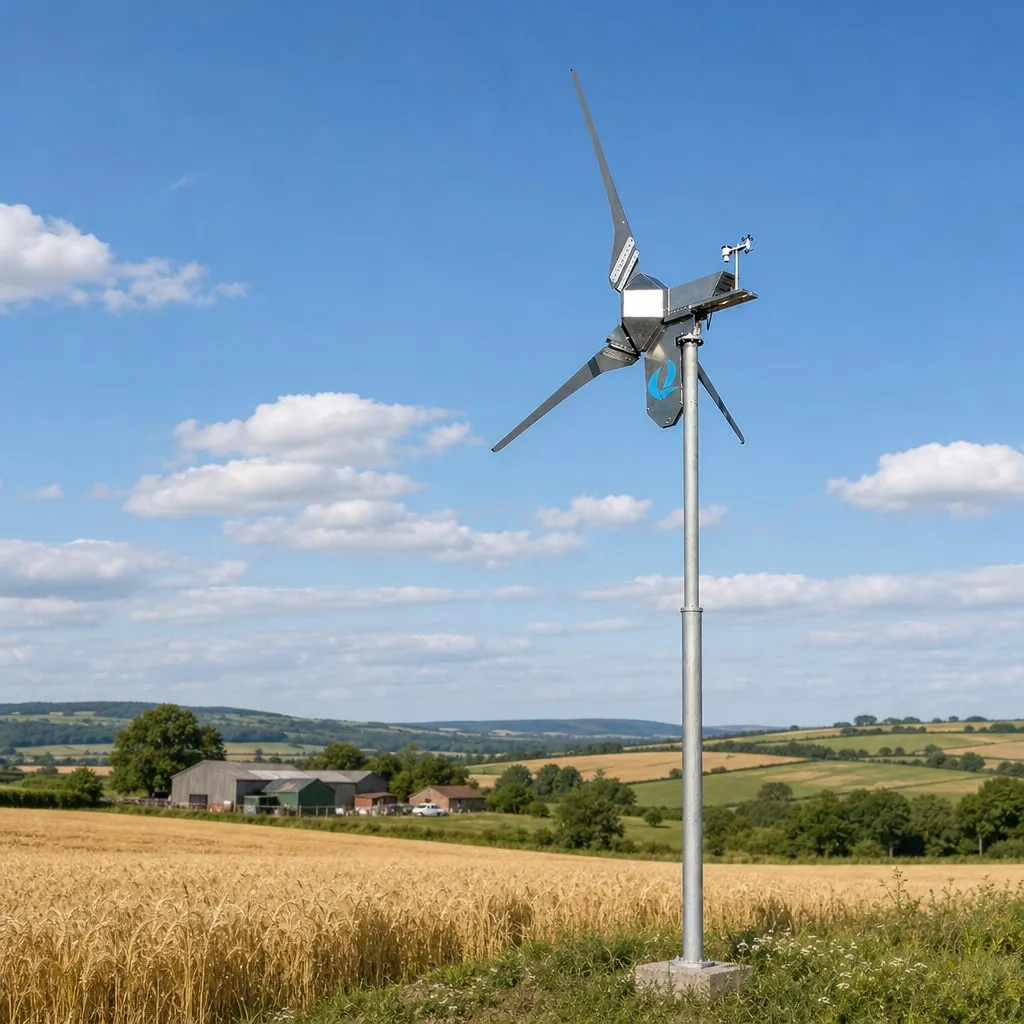
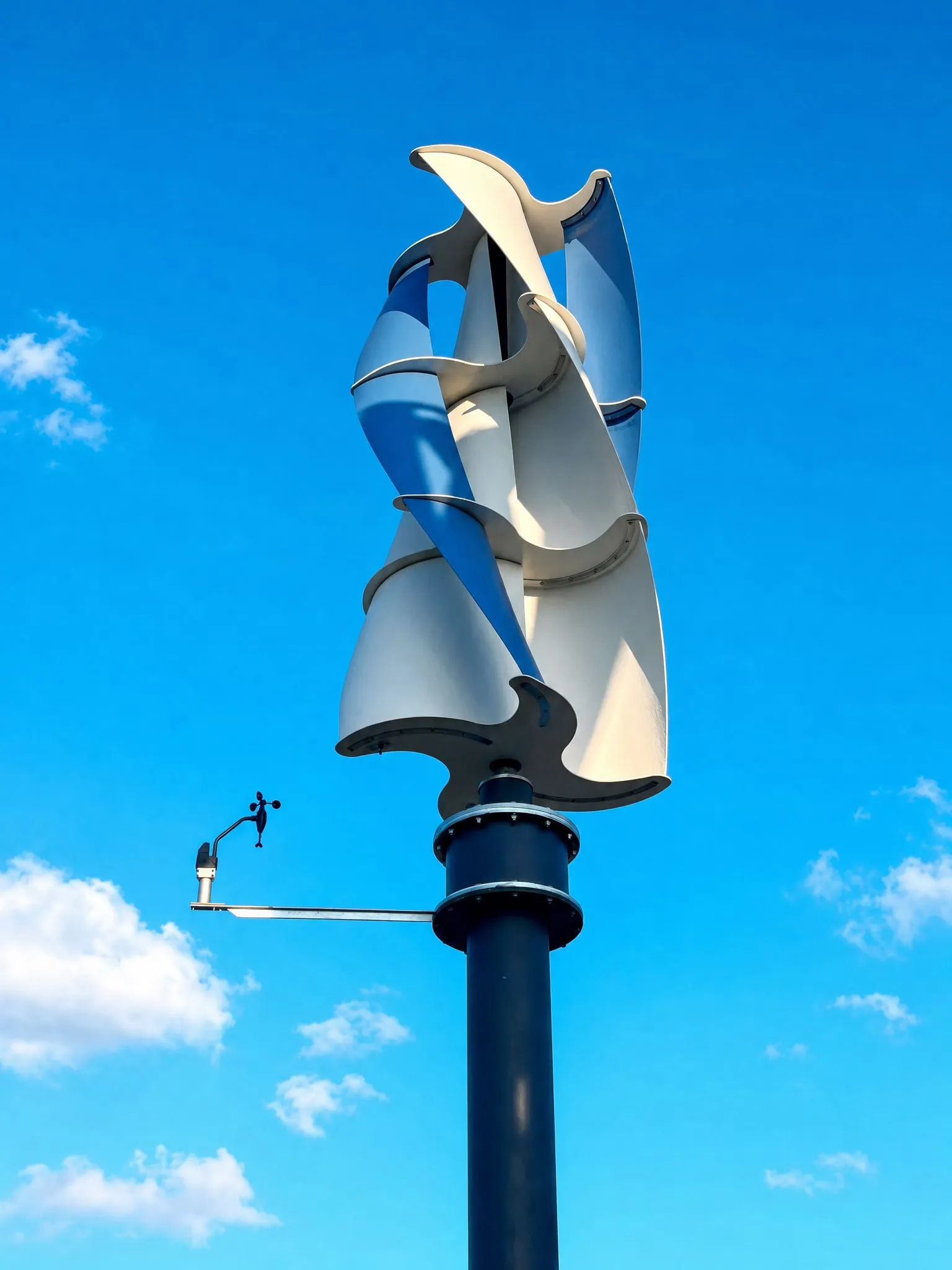
Vertical wind turbine
Horizontal wind power turbine
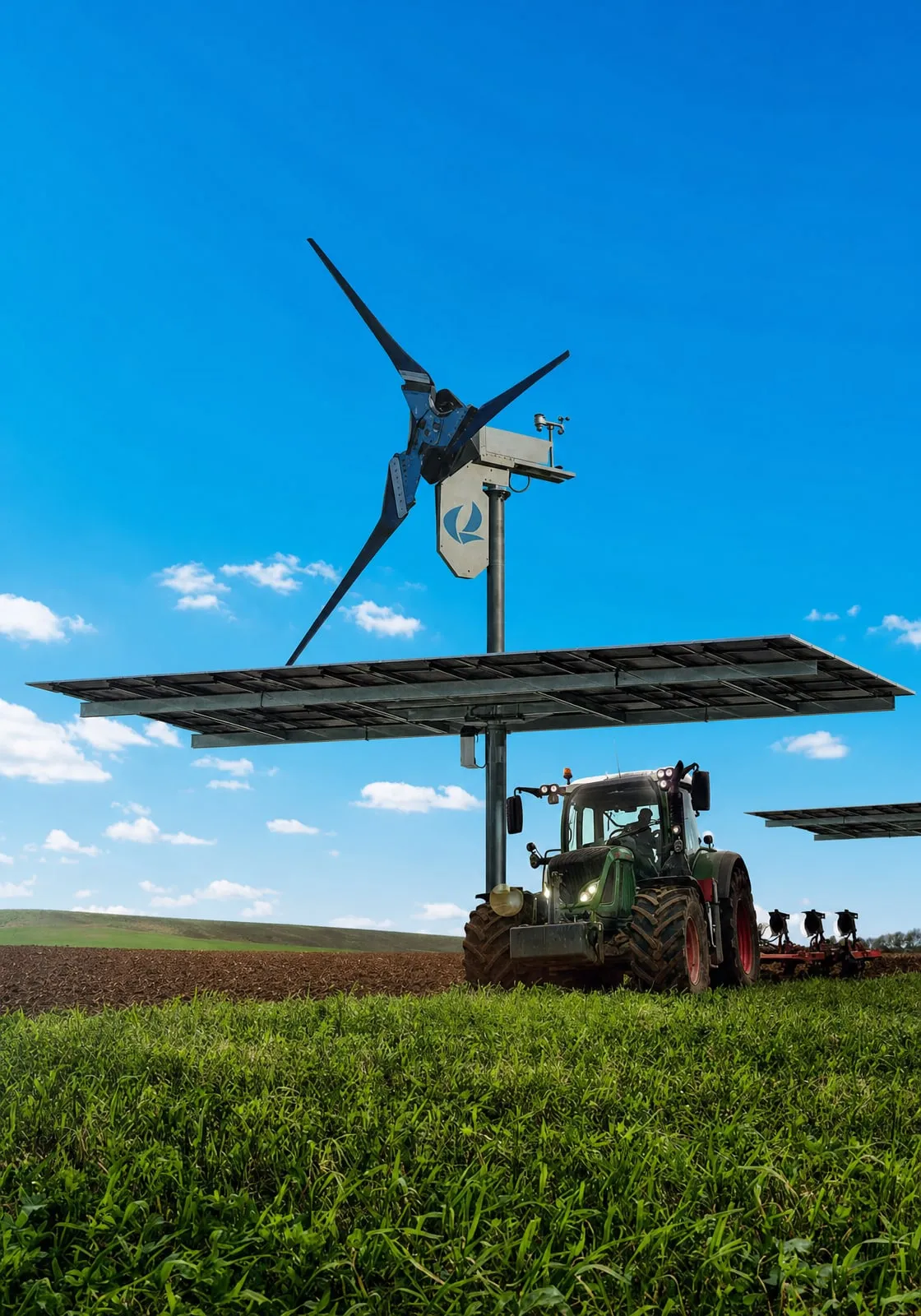
Horizontal wind turbine & photovoltaics
A first, rough estimate of the annual yield based on average wind speed and model. We prepare the binding yield forecast as part of the site assessment.
With an annual average below 4 m/s, economic operation is usually not possible. Have the site assessed before you invest.
Have the yield checked for your site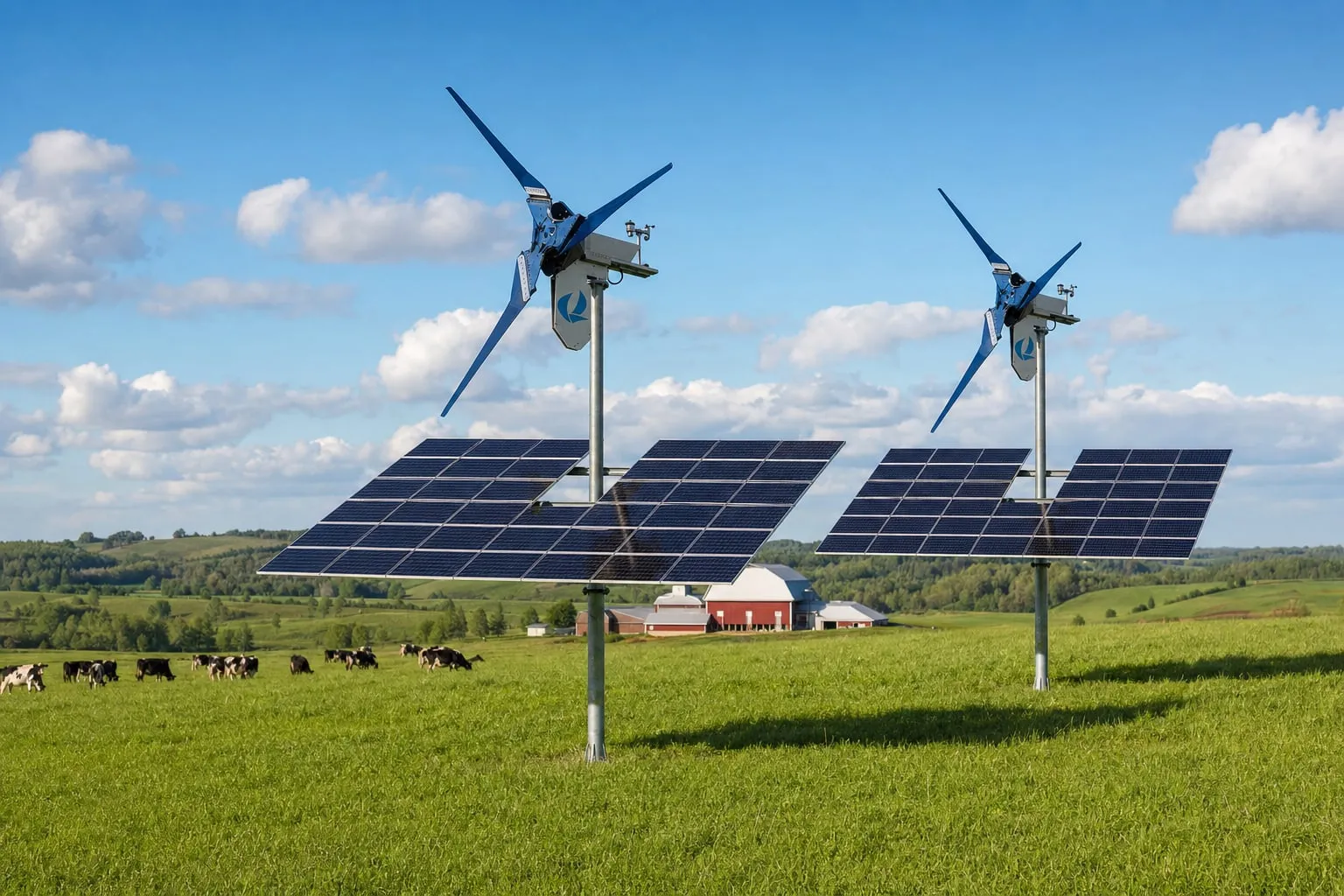
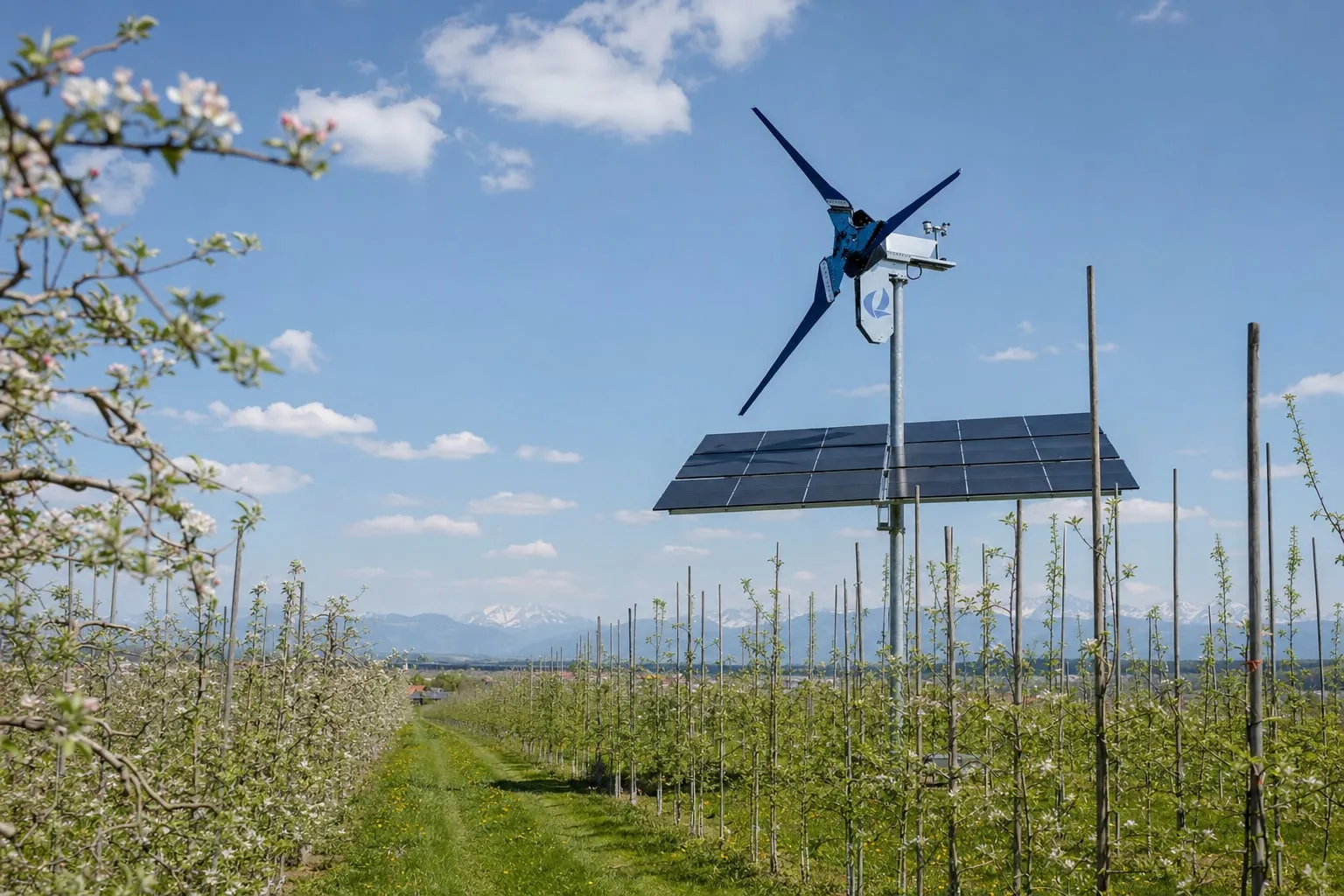
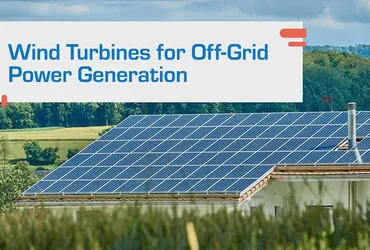
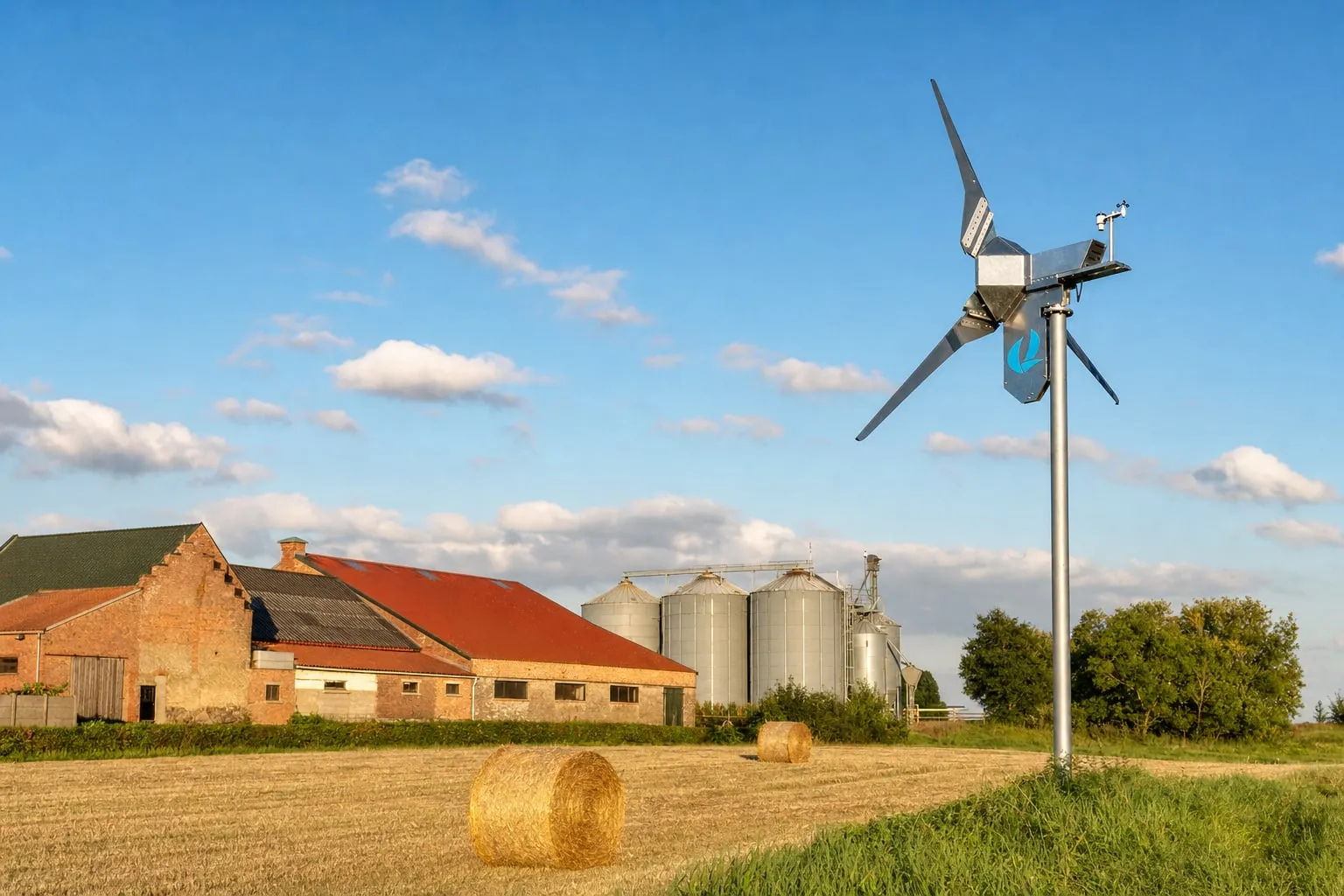
Imagine a field that is harvested twice: your crops below, energy from sun and wind above. WindSun combines agrivoltaics with the LS HuraKan 8.0 – the solar tubes mounted 4.5 m high let light and rain through and protect sensitive plants from hail and heavy rain.
No more diesel deliveries. No worries when the grid falters. Small wind turbines with battery storage fill the gaps of photovoltaics – for telecom towers, monitoring stations, construction sites and remote operations.
Charge 48 V battery systems – without a grid connection, without fuel logistics.
Wind + PV + storage in one system with intelligent control.
Increase self-consumption, smooth load peaks, feed in the surplus.
05 Your path to a turbine
Almost every conversation with a business starts with the same two questions. Here are our honest answers.
That depends on the power class, mast height, foundation, grid or storage connection and installation effort. The more interesting half of the question is: when does it pay off? Usually when
You receive a quotation including an economic assessment on request after the site assessment.
Permitting depends on local building and planning rules. What matters are total height, distances to boundaries and buildings and the zoning of the site. In many countries, including Germany, small turbines are often exempt or follow a simplified procedure.
We clarify the requirements for your site – our checklist helps with a first assessment.
Tell us about your business – we evaluate wind conditions, load profile and available space and give you a first assessment.
Yield forecast, self-consumption rate, payback – and whether PV or storage sensibly complements the system.
We clarify the local building requirements and support you with the application documents.
Pre-assembled modules, commissioning by LuvSide or our distribution partners, maintenance and inspection on request.
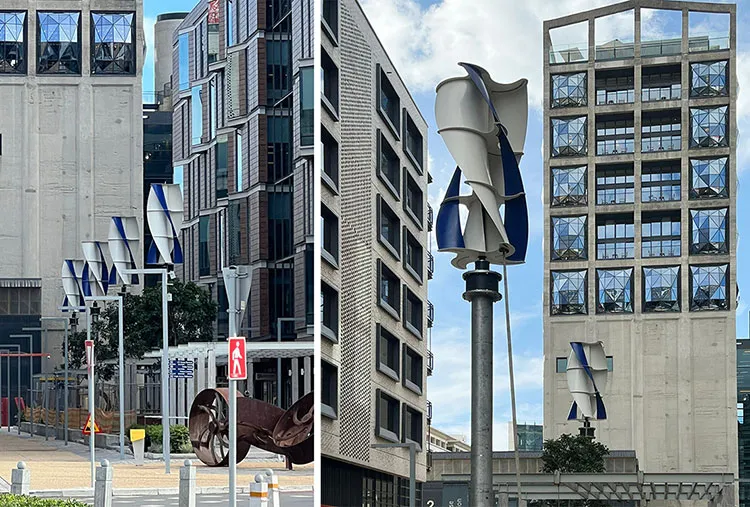
At one of the most visited places in South Africa, LuvSide turbines generate electricity for a commercial and harbour area – right between shops, restaurants and visitors. A project within the RES programme for renewable energy solutions by German companies.
A small wind turbine is a compact wind turbine with a low rated power and a total height usually below 50 m that produces electricity where it is consumed. Businesses use it for self-supply, to relieve the grid or as part of an off-grid wind-solar system.
It is most attractive for operations with high power demand at night and in winter (agriculture, cooling, production), for sites with an average wind speed of at least 4 m/s at hub height and for applications with no or a weak grid connection, such as telecom towers or monitoring stations.
The investment depends on the power class, mast height, foundation, grid or storage connection and installation effort. LuvSide prepares a binding quotation including an economic assessment after a site analysis. Typical cost components are explained on our page wind turbine cost.
Depending on model and site, between around 300 kWh (LS Double Helix 0.5 Marina) and around 12,000 kWh (LS HuraKan 8.0 at an average wind speed of 6 m/s). The yield calculator on this page gives a first estimate for your wind conditions.
LuvSide turbines start at 3 to 4 m/s. A site usually becomes economically interesting from an annual average of about 4 m/s at hub height. The wind should reach the turbine as freely and with as little turbulence as possible.
Yes, with the right turbine and after checking the structure. The LS Helix 3.0 is decoupled by a vibration damper, so no structure-borne noise is transmitted into the building. Since 2023, two LS Helix 3.0 have been running on the roof of Kiel University of Applied Sciences.
That depends on national and local building rules. Many small turbines are exempt or follow a simplified procedure; total height, distances and zoning are decisive. LuvSide checks the requirements for your site.
Yes – wind and sun complement each other: wind often delivers at night and in winter, PV during the day and in summer. With battery storage you get a largely self-sufficient power supply that can replace diesel generators. Learn more about wind solar hybrid systems.
LuvSide focuses on businesses, agriculture, municipalities and infrastructure. Private customers are advised by our distribution partners in their region.
Field reports and calculations from agriculture, telecommunications and infrastructure.
LuvSide News, Wind Turbines, WindyBlog
How small wind turbines combined with solar help farms cut energy costs, gain independence and keep power flowing at night and in winter – updated for 2026 with costs and agrivoltaics.
More infoApplication & Operation, Sustainability, Wind Turbines, WindyBlog
How does a business or remote site become energy independent? The basics of off grid power, the right energy sources and 8 proven strategies – from wind solar hybrid systems to battery storage.
More infoLuvSide News, Wind Turbines, WindyBlog
Telecom towers need power around the clock – often far from the grid. How hybrid wind-solar systems with battery storage replace diesel generators, meet SLA requirements and cut operating costs at telecom sites.
More infoApplication & Operation, Horizontal Wind Power, LuvSide News, Vertical Wind Power, Wind Energy, Wind Turbines, WindyBlog
This article examines how combining wind turbines with solar panels creates cost synergies across fuel savings, maintenance reduction, optimized energy storage, and extended equipment lifespans—with practical guidance on system sizing, component selection, and implementation strategies that maximize return on investment.
More infoTell us about your business – we will get back to you with a first assessment of wind potential, permitting and economics.
Private customer? Our distribution partners will be happy to advise you locally.