Cell towers & base stations
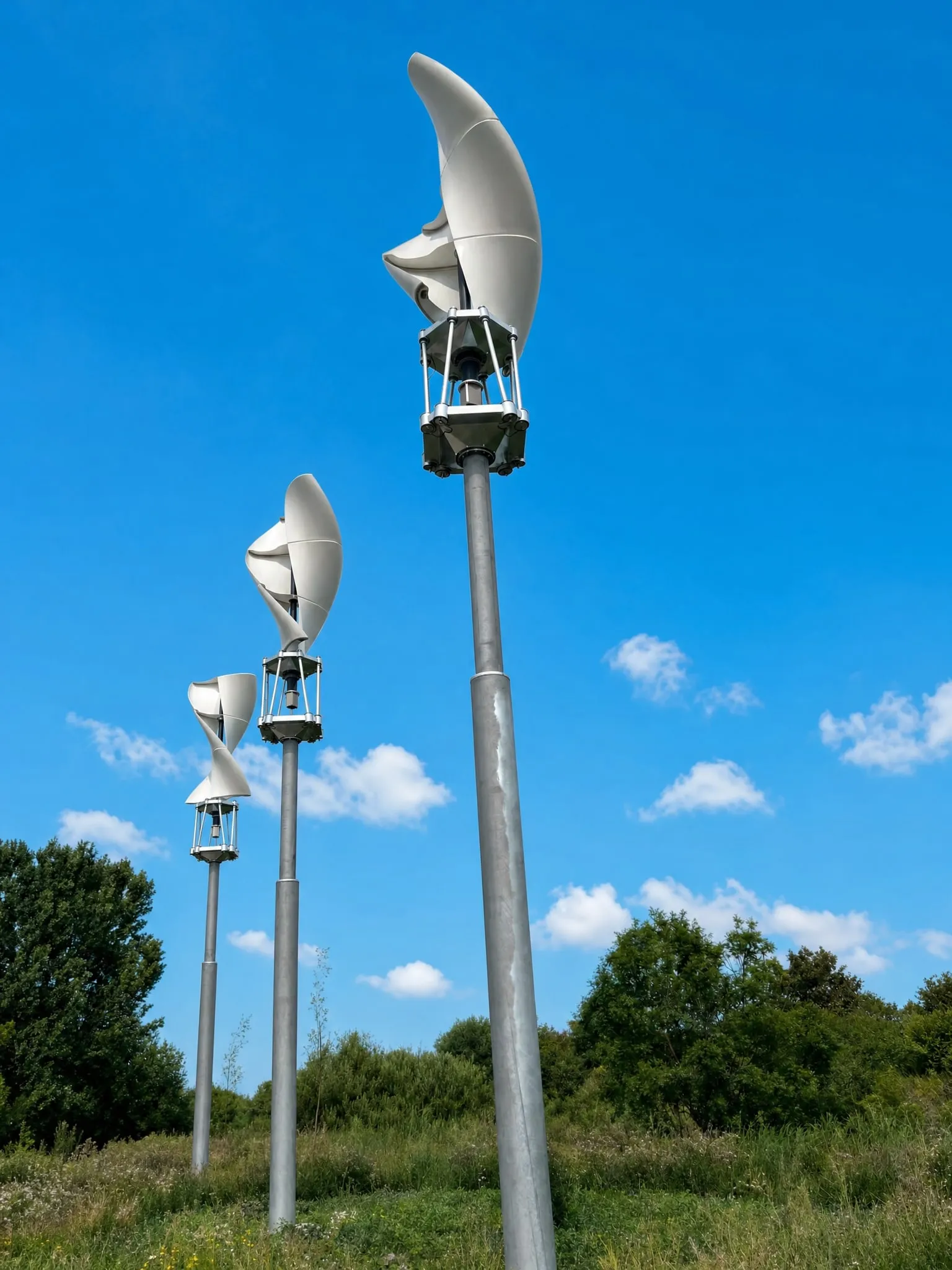
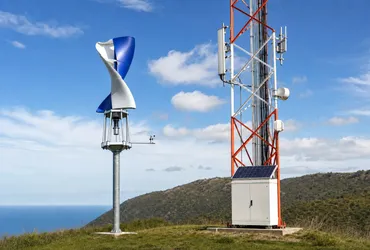
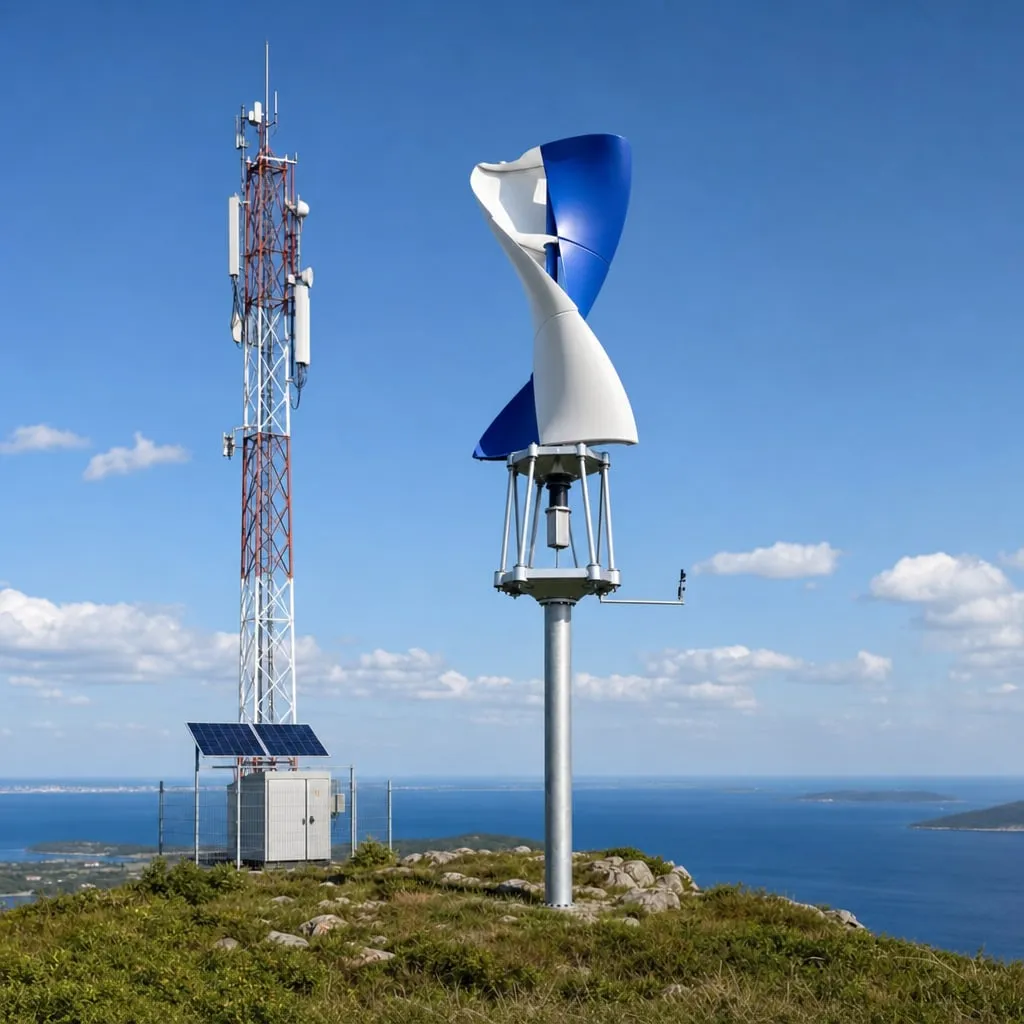
Wind and PV charge the battery around the clock. Several LS Helix turbines or one LS HuraKan 8.0 also cover higher continuous loads.
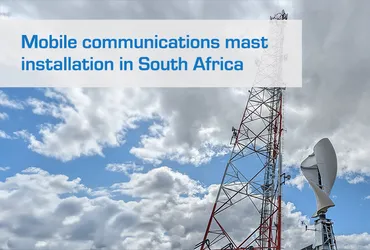
Dana Bay project

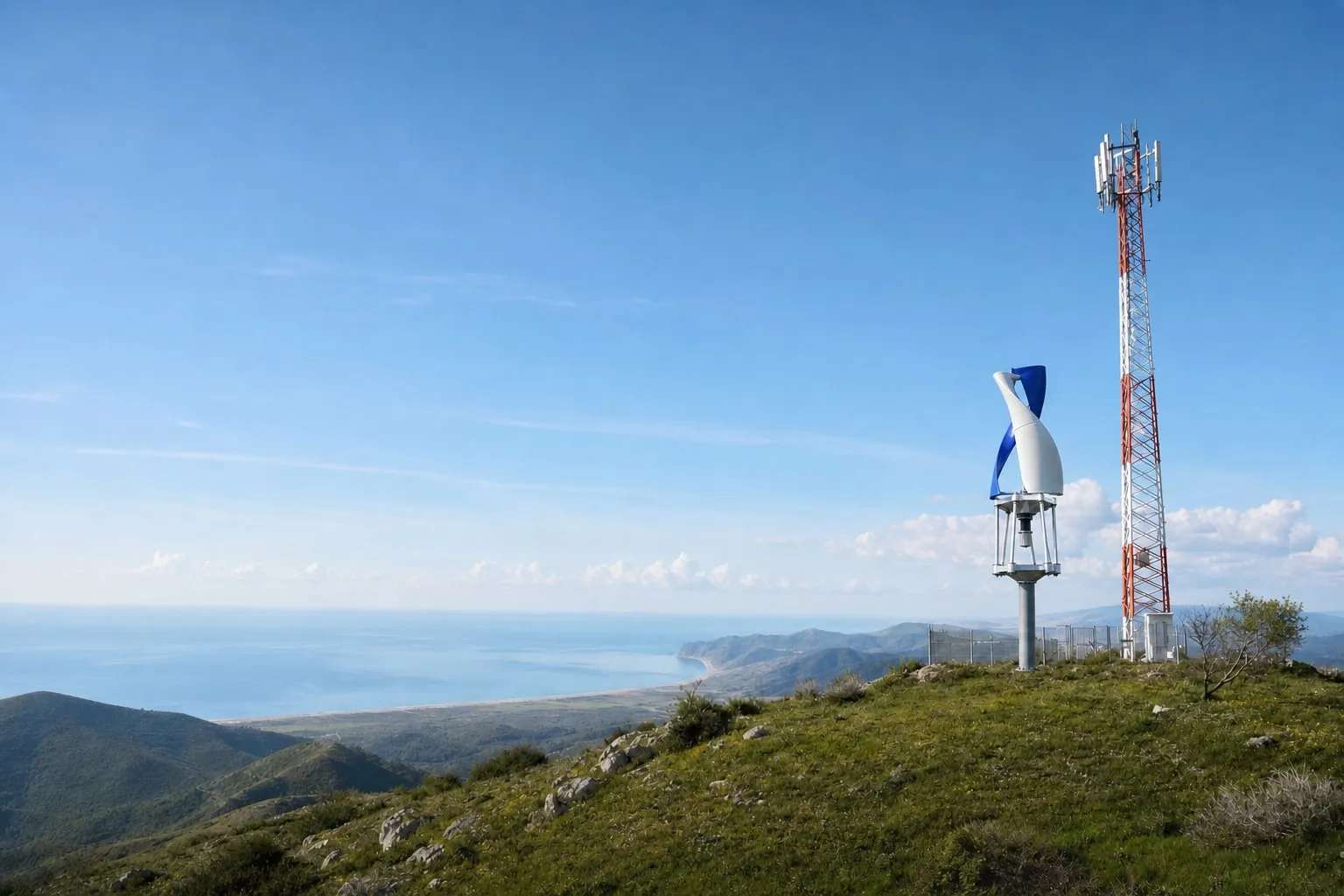
Telecom towers, monitoring stations and construction sites without a reliable grid can run on small wind turbines, solar PV and battery storage. Wind also produces at night and in winter, solar during the day. The diesel generator becomes a backup at most – cutting fuel, logistics and maintenance costs and removing the most attractive target for thieves.
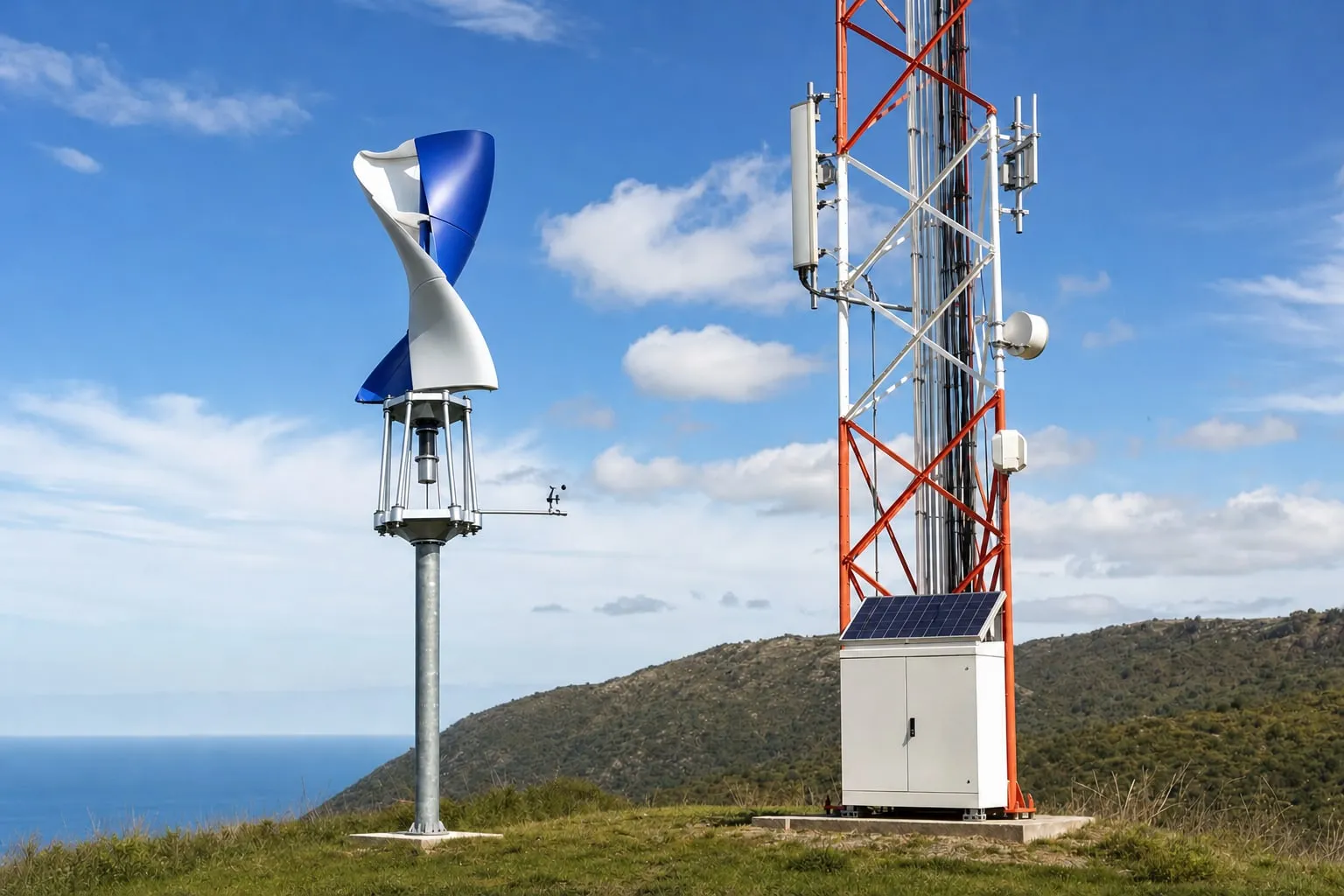
Unmanned cell towers in remote regions often run on diesel generators. Every refuelling means a site visit, every failure threatens network availability – and generators, fuel, copper cables and solar panels are popular targets for theft. Add rising fuel prices, noise, exhaust and a public grid that is unreliable in many regions.
“You can’t just carry away a wind turbine. In addition, the technology is safely and securely installed in the mast and lattice frame.”
from the Dana Bay project report, South Africa
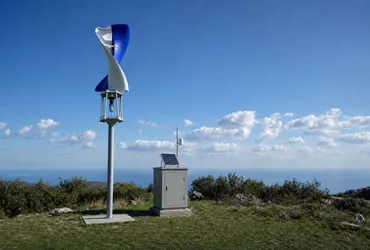
Wind and PV charge the battery around the clock. Several LS Helix turbines or one LS HuraKan 8.0 also cover higher continuous loads.
Dana Bay project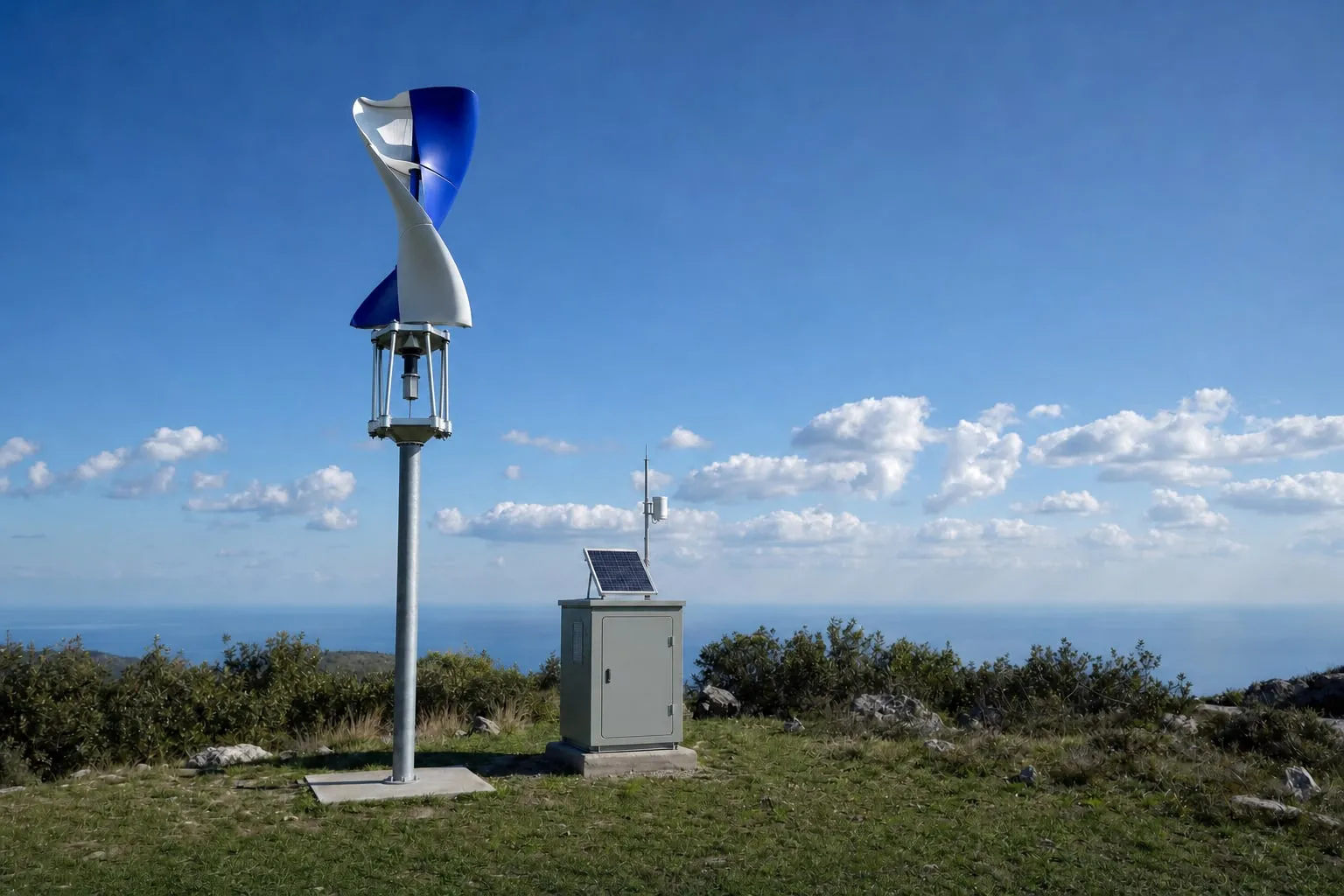
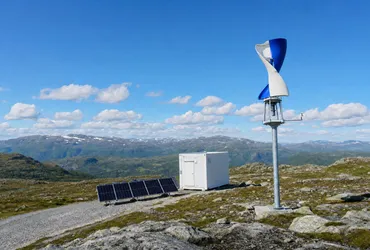
Environmental and weather monitoring, water levels, cameras or traffic technology: small continuous loads that must be powered reliably – often far from the grid.
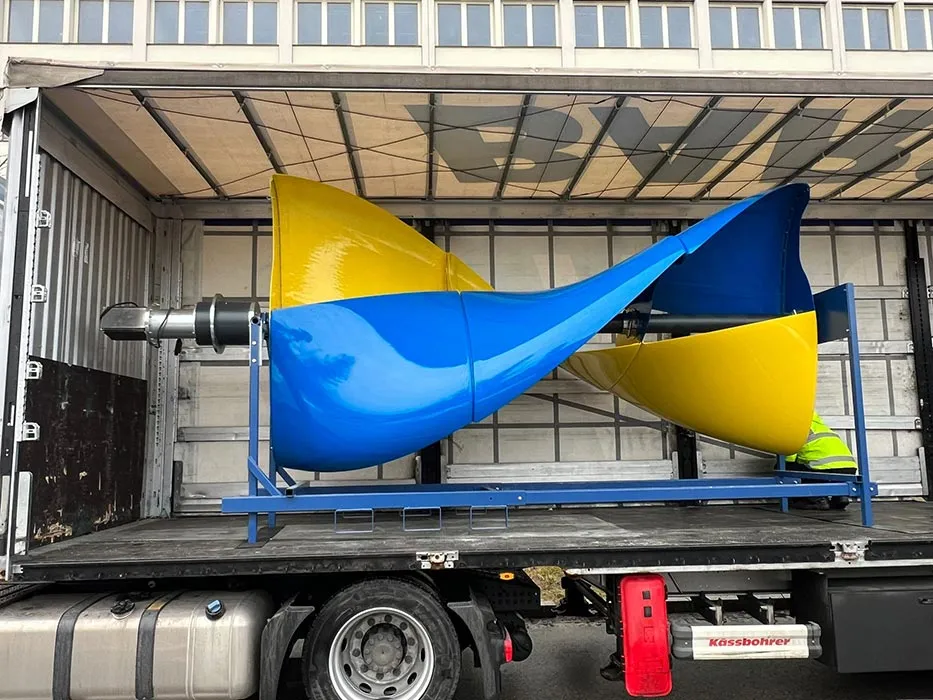
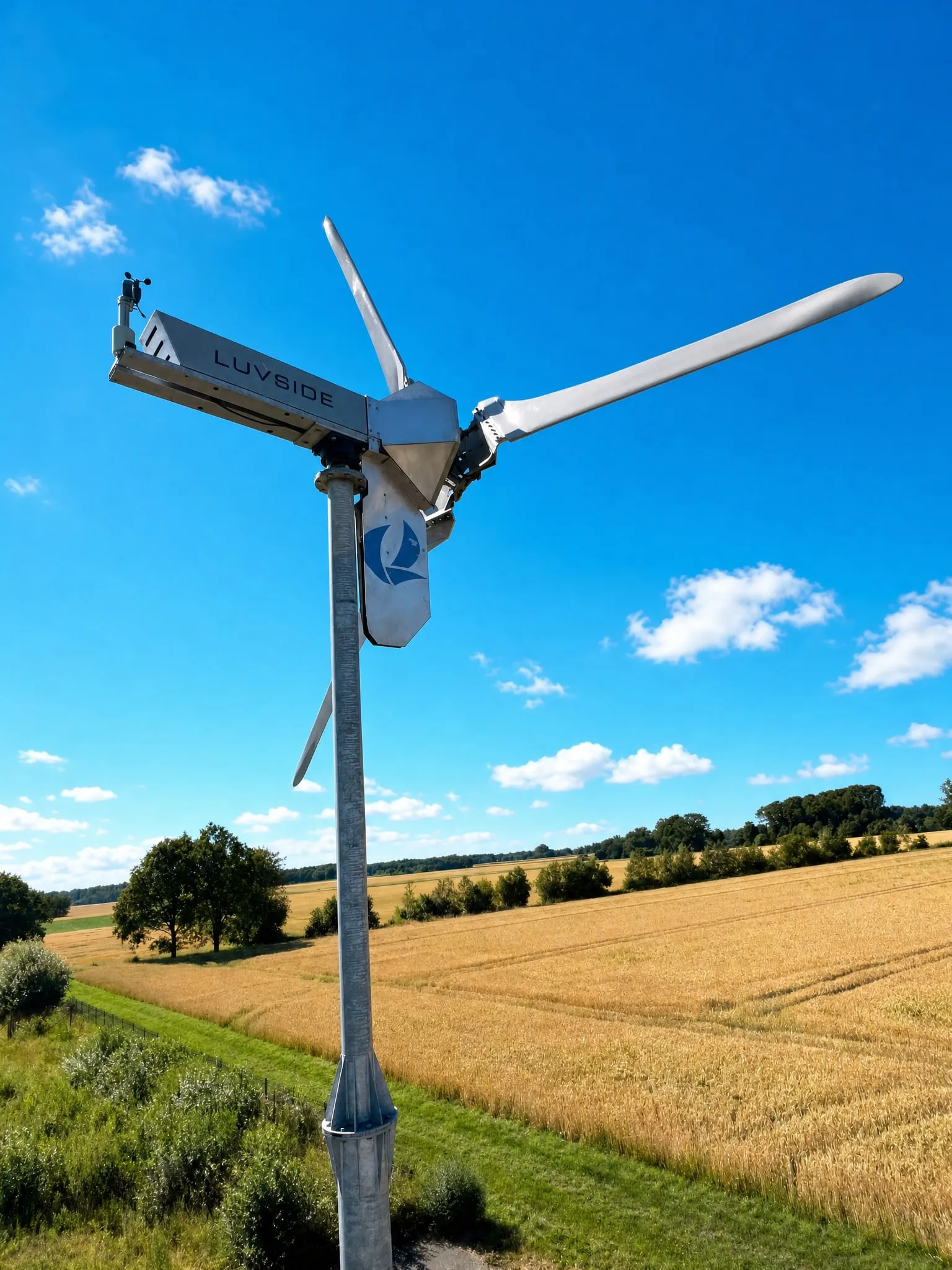
Pre-assembled modules arrive by truck. The LS HuraKan 8.0 is raised hydraulically on the SteelRoots folding mast – no crane or cherry picker required.
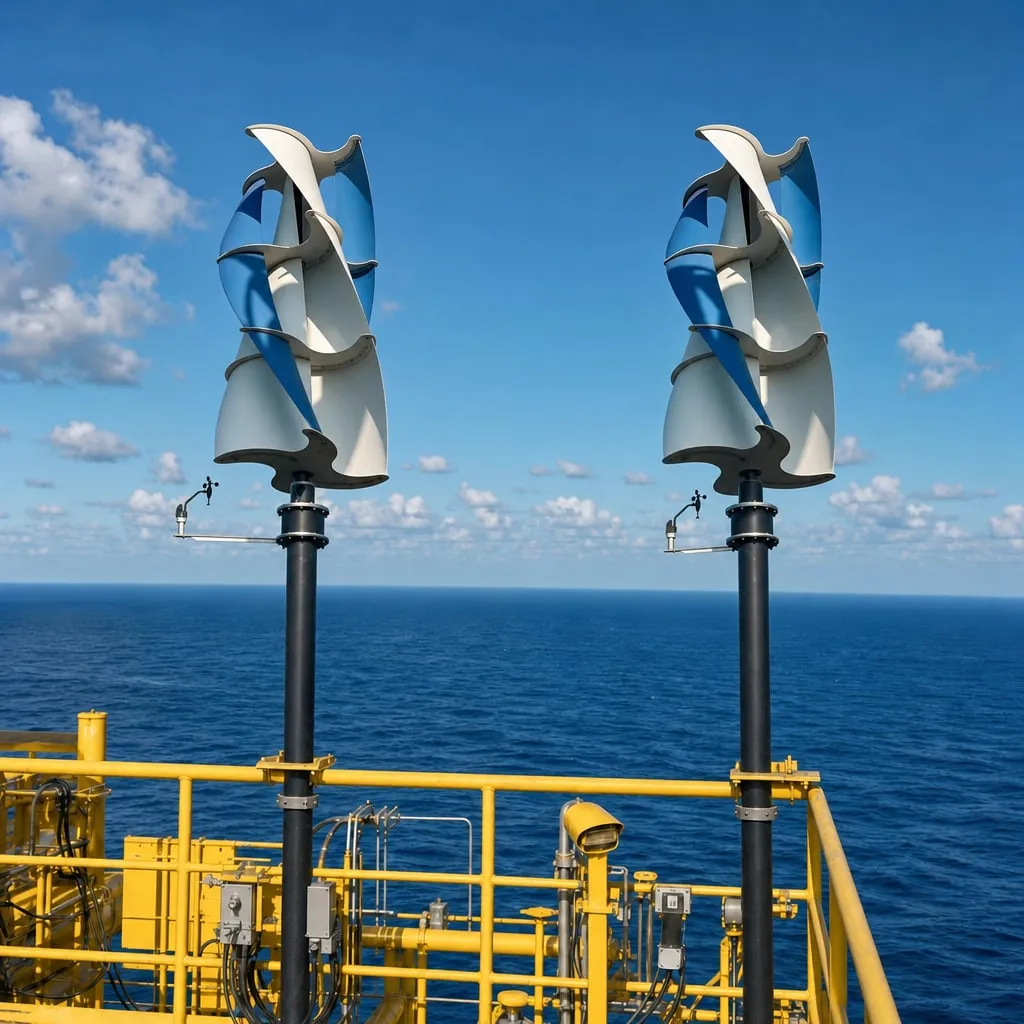
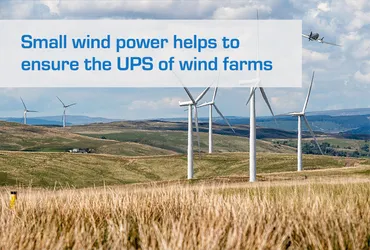
Small wind secures the uninterruptible power supply of control and safety systems, for example in large wind farms.
More on the UPS solutionVertical LS Helix turbines for turbulent wind and lattice tower sites, the horizontal LS HuraKan 8.0 for higher loads.
Produces during the day and in summer; wind fills the gaps at night and in the darker months.
Standard 24 V or 48 V battery systems buffer generation and load. A hybrid needs less storage than solar alone.
Prioritises wind and PV, protects the battery and only starts an existing diesel generator when needed.
Generation, state of charge and faults visible remotely – site visits only for scheduled inspections.
| Criterion | Diesel generator | PV + battery | Wind + PV + battery |
|---|---|---|---|
| Generation at night | yes, as long as fuel lasts | no, battery only | yes, wind also blows at night |
| Winter & bad weather | independent of weather | strongly reduced | wind balances the seasons |
| Battery size | small | large (many days of autonomy) | medium |
| Fuel logistics | regular refuelling | none | none (diesel optional as backup) |
| Theft risk | high: generator and fuel | panels and cables | low for the turbine, technology built into the mast |
| Site visits & maintenance | frequent (oil change every 250–500 h) | rare | rare (annual inspection) |
| CO₂ & noise | exhaust, 60–80 dB | none | no exhaust, quiet operation |
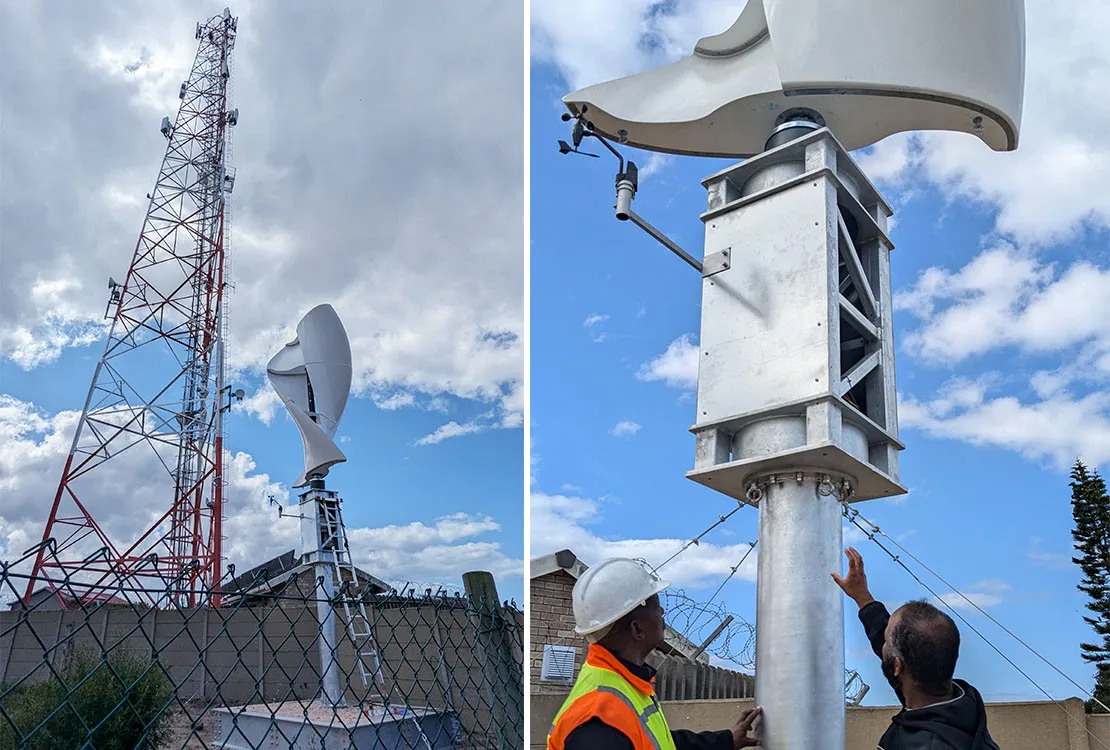
In summer 2024 a South African network operator commissioned LuvSide to install a test system on a cell tower in Dana Bay. The LS Helix turbines are designed for windy coastal regions, and the technology is protected inside the mast. The aim is an economically viable, self-sufficient supply that replaces diesel generators – a first step towards wider use across Africa.
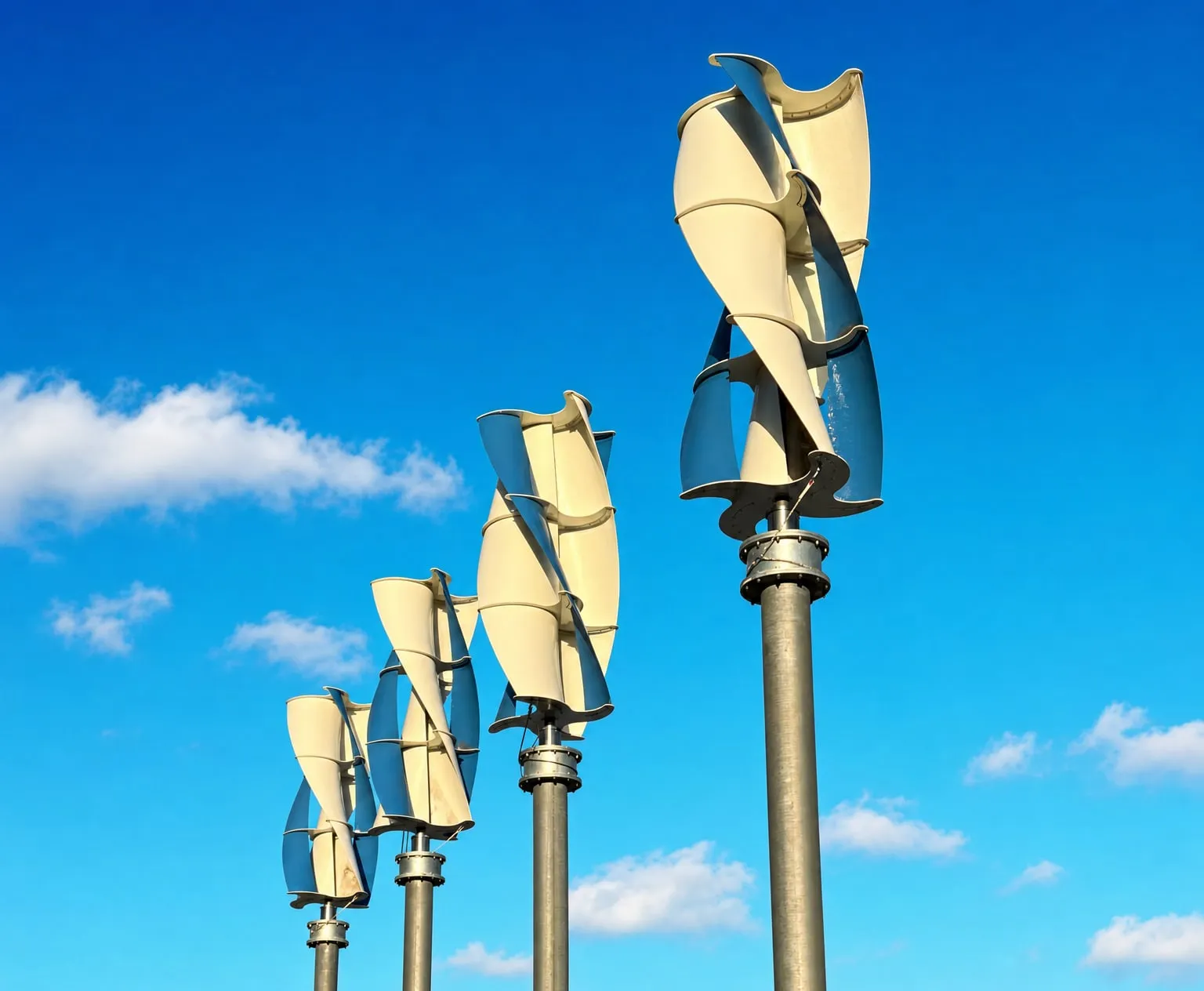
At the V&A Waterfront in Cape Town, four LS Double Helix 1.0 have also been operating since 2024 – in a country where load shedding is part of everyday life.
Vertical wind turbine
Horizontal wind power turbine
Vertical wind turbine
LuvSide News, Wind Turbines, WindyBlog
A functioning and nationwide mobile network is the backbone of modern communication in South Africa. To ensure uninterrupted connection, mobile phone masts must be continuously supplied with energy. Especially in remote areas, this energy supply poses significant challenges for network operators.
More infoLuvSide News, Wind Turbines, WindyBlog
Telecom towers need power around the clock – often far from the grid. How hybrid wind-solar systems with battery storage replace diesel generators, meet SLA requirements and cut operating costs at telecom sites.
More infoApplication & Operation, LuvSide News, Wind Energy, Wind Turbines, WindyBlog
This guide covers the maintenance strategies, component priorities, and technologies that keep remote wind systems running reliably despite distance and harsh conditions. You’ll learn how to balance scheduled service against predictive monitoring, what failures hit isolated turbines hardest, and which modern tools cut travel costs while catching problems early.
More infoLuvSide News, Wind Turbines, Solar Power & Wind Turbines, WindyBlog
Diesel generator or wind solar hybrid system with storage? This comparison covers power output, fuel and maintenance costs, levelised cost of energy and emissions – and explains why hybrid systems are displacing diesel at remote sites.
More infoLuvSide News, Wind Turbines, WindyBlog
Wind turbines are subject to strict regulations in the EU to ensure their safe operation even during power outages. An uninterruptible power supply (UPS) is the central element for reliable operation. Its main function is to protect critical systems during power outages and to ensure smooth turbine operation in the event of grid faults.
More infoApplication & Operation, Horizontal Wind Power, LuvSide News, Vertical Wind Power, Wind Energy, Wind Turbines, WindyBlog
This article examines how combining wind turbines with solar panels creates cost synergies across fuel savings, maintenance reduction, optimized energy storage, and extended equipment lifespans—with practical guidance on system sizing, component selection, and implementation strategies that maximize return on investment.
More infoTraditionally with diesel generators, increasingly with renewable hybrid systems: a small wind turbine and solar panels charge a battery bank that powers the radio equipment around the clock. An existing generator can remain on site as backup.
It depends on the equipment, the number of operators and the cooling, ranging from a few hundred watts to several kilowatts of continuous load. For system sizing, the daily consumption in kWh is what counts – we determine it with you from measurements or datasheets.
Yes, if structural loads, vibrations and radio clearances allow it; otherwise the turbine stands on its own mast next to the tower. LuvSide checks both options in the project. Vertical turbines accept wind from any direction and cope well with the turbulent flow around lattice towers.
Power supply systems for sites without or with an unreliable grid connection, such as radio sites, monitoring stations, construction sites or pumping stations. Modern remote power solutions combine wind, solar and storage and are monitored remotely.
For long-running construction sites, a mobile hybrid system can relieve the generator: the LS HuraKan 8.0 is raised hydraulically on the SteelRoots folding mast without a crane and can be dismantled after the project. Whether it pays off depends on duration, load and wind resource.
An annual turbine inspection is usually sufficient; generation and state of charge are checked via remote monitoring. A diesel generator, by contrast, needs an oil change every 250–500 operating hours. More in our remote site maintenance guide.
Yes. A hybrid controller integrates wind and PV into the existing system and only starts the generator when the battery drops below a threshold. Running hours, fuel consumption and maintenance fall without compromising reliability.
Tell us about the site, the load and today’s power supply. We assess wind resource and economics and design a hybrid system for your tower, monitoring station or construction site.
Private customer? Our distribution partners will be happy to advise you locally.