Wind Turbine Remote Site Maintenance: Operations Guide
Remote wind turbines power telecommunications towers on mountain peaks, agricultural operations across vast plains, and research stations in polar regions—all far from repair shops and power grids. When something breaks at these isolated sites, the cost isn’t just parts and labor but also helicopter flights, multi-day expeditions, and revenue lost while turbines sit idle.
This guide covers the maintenance strategies, component priorities, and technologies that keep remote wind systems running reliably despite distance and harsh conditions. You’ll learn how to balance scheduled service against predictive monitoring, what failures hit isolated turbines hardest, and which modern tools cut travel costs while catching problems early.
What Remote Wind Turbine Maintenance Involves
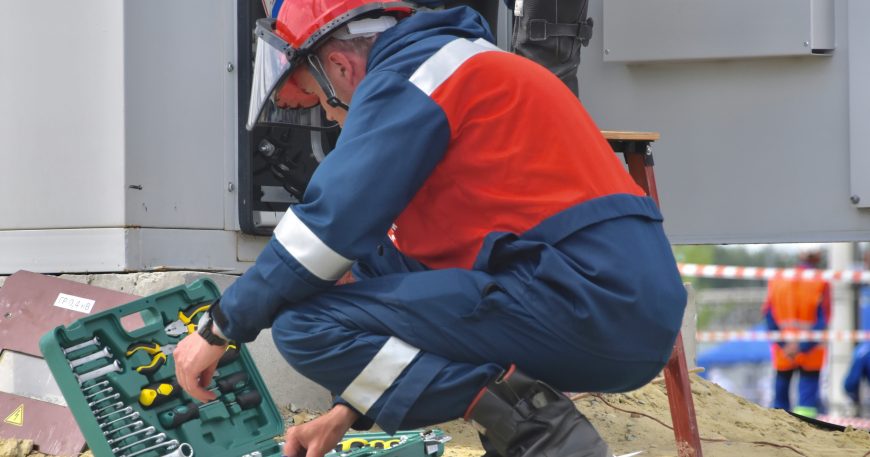
Remote wind turbine maintenance includes regular inspections, cleaning, lubrication, and repairs at sites far from service centers. The main challenge is distance—technicians often travel hours to reach turbines powering telecommunications towers, agricultural operations, or off-grid facilities. Remote monitoring helps identify problems before crews arrive, but hands-on work remains essential for fixing mechanical wear and environmental damage.
Unlike large wind farms with permanent staff, remote turbines typically run unattended for weeks or months between visits. This means the turbine itself has to be more robust, and maintenance planning becomes more critical. Weather also plays a bigger role—crews might wait days for safe conditions to access mountain or coastal sites.
Key Components That Demand Extra Care Off-Grid
Certain parts wear faster in isolated environments and deserve extra attention during service visits.
Gearbox and bearings
The gearbox converts slow blade rotation into faster generator speeds using precision gears and bearings. These components depend entirely on clean lubricant at the right thickness. In places with wild temperature swings, oil thickens when cold or thins when hot, which reduces protection and increases wear. Changing gearbox oil in the field means draining old fluid, flushing the system, and refilling—all while managing disposal and hauling heavy containers to distant locations.
Vibration sensors mounted on bearing housings catch early failures before catastrophic breakdowns happen. Even small vibration increases signal developing problems, allowing replacement during planned visits rather than emergency callouts.
Blades and leading edges
Turbine blades face constant hits from airborne particles. Sand in deserts, salt spray on coasts, and ice crystals in cold areas all roughen the leading edge. This erosion disrupts smooth airflow and can drop power output by 5-20% over time. Visual checks using binoculars or drones reveal surface pitting, cracks, and peeling that require repair.
Technicians can handle minor blade repairs on-site with portable kits containing epoxy and fiberglass cloth. Major damage requires blade replacement, which needs specialized lifting gear and calm winds.
Generator and power electronics
Generators convert spinning motion into electricity but create significant heat while doing it. In dusty places, cooling vents clog up, causing overheating that damages internal windings. Remote sites benefit from keeping spare inverters and charge controllers on hand since electronics fail more often than mechanical parts and swap out relatively easily.
Power quality problems—voltage jumps and electrical noise—usually start in failing electronics rather than the generator itself. Regular testing with meters identifies degrading components before they shut down the whole system.
Towers and fasteners
Tower structures handle constant stress from wind loads and vibration. In coastal or industrial zones, corrosion attacks bolted connections and welds. Annual checks verify that tower bolts stay properly tightened—loose fasteners allow movement that speeds up wear and creates dangerous conditions.
Protective coatings on towers need touch-ups, especially where scratches expose bare metal. Zinc-rich paint applied during visits stops rust from spreading and extends tower life.
Control and communication systems
SCADA (Supervisory Control and Data Acquisition) systems make unattended operation possible by collecting performance data and alerting operators to faults. Communication failures from cellular gaps, damaged antennas, or software bugs leave operators blind to turbine status. Backup methods like satellite modems provide redundancy when primary connections drop.
Firmware updates can be sent remotely when connectivity works, but technicians verify successful installation during visits since incomplete updates can disable controls entirely.
Common Failure Modes in Isolated Environments
Remote turbines face distinct problems shaped by exposure and limited oversight.
Corrosion from salt or dust
Coastal installations battle salt air that penetrates electrical boxes and attacks metal surfaces. Desert sites face similar issues from fine dust that works past seals and mixes with lubricants, creating abrasive paste that grinds away bearings. Protective coatings and sealed enclosures slow these processes but don’t stop them. Maintenance includes cleaning surfaces, reapplying protective sprays, and replacing worn seals.
Thermal cycling and material fatigue
Daily temperature swings expand and contract tower sections, blade materials, and electrical connections. Over thousands of cycles, this movement loosens bolts and cracks welds. Cold-climate turbines see particularly severe stress when sun heats dark surfaces while air stays frigid. Expansion joints accommodate movement, but cracked or frozen joints transfer stress to nearby structures.
Lightning and grid transients
Isolated turbines often sit on exposed hilltops or open plains where they become the tallest target around. Direct strikes destroy blades, melt electrical parts, and damage foundations. Even nearby strikes send voltage surges through ground that overwhelm protection systems. Grounding systems need annual testing to verify they can safely channel lightning energy away.
Wildlife and vandalism damage
Birds nest in nacelle vents and tower bases, blocking airflow and creating fire hazards from accumulated material. In populated areas, vandalism ranges from graffiti to deliberate equipment damage. Netting over openings and regular debris removal prevent most wildlife issues, while fencing and cameras deter vandalism at unmanned sites.
Scheduled vs Predictive Maintenance Intervals Explained
Different maintenance approaches balance cost against reliability. Remote sites often mix strategies based on how critical each component is.
1. Time-based preventive tasks
Calendar-based maintenance follows manufacturer schedules—oil changes every 12 months, bolt checks every 6 months, visual inspections quarterly. This approach guarantees regular attention but might do unnecessary work on parts still in good shape. For remote sites, time-based schedules align with seasonal access, like visiting mountain sites during summer or coastal ones between storm seasons.
2. Condition-based service using sensors
Vibration sensors, oil analysis, and thermal imaging reveal actual component condition rather than guessing based on runtime. This data-driven method extends service intervals when things look good and triggers early action when problems develop. A gearbox might run five years without oil changes if analysis shows the lubricant stays clean, or require early service if contamination appears.
3. Run-to-failure tactics for non-critical parts
Some cheap components cost more to inspect than to replace when they quit. Small cooling fans, indicator lights, and minor sensors often fall here. The strategy accepts occasional failures but keeps spares on-site for quick swaps during the next scheduled visit.
Wind Turbine Maintenance Checklist for Remote Crews
Systematic procedures make the most of limited on-site time.
1. Pre-deployment planning
Successful remote maintenance starts days before departure with weather checks, route planning, and gear prep. Technicians review recent performance data to spot known issues, then pack tools, spare parts, and safety equipment for anticipated work. Crews working multi-day trips bring camping gear, food, and emergency supplies since many sites lack nearby services.
2. On-site inspection steps
Visual inspection begins at ground level, checking the tower base, foundation, and ground equipment for damage or corrosion. Climbing the tower, technicians examine each section for cracks and loose bolts. At the nacelle, they inspect blade attachments and all external surfaces before opening enclosures.
Inside, systematic checks cover electrical connections for heat damage, mechanical parts for leaks, and control panels for error codes. Thermal imaging spots hot electrical components while vibration measurements establish baseline data.
3. Lubrication and torque verification
Bearing points get fresh grease per specifications—too much damages seals while too little speeds wear. Gearbox oil levels are checked and topped up, with samples collected for lab analysis. Critical bolts get torque checks using calibrated wrenches, especially blade bolts, tower connections, and generator mounts.
4. Data logging and reporting
Turbines log data continuously, but technicians download complete datasets during visits for detailed review. Fault codes get interpreted and cleared after fixing underlying issues. Performance metrics compare against historical trends and manufacturer expectations. Digital records with timestamped photos document component condition and completed work.
5. Post-visit spare-parts replenishment
After each visit, used spare parts get reordered to restore on-site inventory. This practice keeps critical components available for emergency repairs between scheduled visits. Items with limited shelf life rotate to use oldest stock first.
How Often Do Wind Turbines Need Maintenance in Remote Sites
Maintenance frequency depends on turbine size, environment, and monitoring sophistication. Small turbines under 20 kW typically need service every 6-12 months, while larger systems benefit from quarterly checks. Harsh environments—coastal salt, desert dust, or arctic cold—speed up wear and may demand more frequent attention.
Sites with comprehensive remote monitoring can stretch intervals by catching developing issues early. The first year often requires more visits to address installation issues and establish performance baselines, with intervals lengthening as the system matures.
Wind Power Maintenance Costs and Budget Benchmarks
Maintenance economics vary significantly based on turbine size and location accessibility.
Routine service cost per kilowatt
Annual maintenance typically runs 1-3% of the turbine’s installed cost, translating to $20-50 per kilowatt for small systems. A 10 kW turbine might need $200-500 yearly for scheduled work, while a 100 kW system could demand $2,000-5,000. Labor represents 60-70% of these costs, with travel time to remote sites inflating expenses compared to accessible installations.
Unplanned repair and replacement cost
Emergency repairs cost 2-4 times more than planned maintenance due to rushed parts shipping, overtime labor, and lost production during downtime. Major failures—gearbox replacement, blade damage, generator burnout—can hit 20-40% of original turbine price. Remote locations amplify costs through helicopter access or extended crew deployment.
Wind turbine operation and maintenance cost vs diesel
Total ownership costs reveal wind’s economic edge despite maintenance requirements. Diesel generators in remote sites burn $0.30-0.60 per kWh in fuel alone, plus maintenance of $0.05-0.15 per kWh. Wind turbines generate at $0.03-0.08 per kWh including maintenance, with no fuel expense.
A remote telecommunications site using 50 kWh daily would spend $5,500-10,950 yearly on diesel fuel and maintenance, compared to $550-1,460 for wind turbine upkeep. The wind system pays for itself through eliminated fuel costs within 3-7 years.
Technologies That Cut Windfarm Maintenance and Testing Trips
Advanced monitoring and diagnostic tools reduce visit frequency while catching problems early.
SCADA and IIoT sensors
Modern turbines transmit real-time data on power output, rotor speed, vibration, temperatures, and faults. Operators monitor remotely and receive alerts when values exceed normal ranges. This visibility transforms maintenance from reactive to proactive since developing problems show up in data trends before causing failures.
Internet of Things sensors add monitoring to older turbines lacking built-in telemetry. Wireless vibration sensors, temperature probes, and current monitors retrofit existing systems with modern diagnostic ability at modest cost.
Remote firmware updates
Software improvements deploy over cellular or satellite connections without technician visits. Control algorithms get refined based on site-specific wind patterns. However, failed updates can disable turbines, so operators typically schedule updates just before planned visits when technicians are available to troubleshoot.
Drone blade inspection
Drones with high-resolution cameras photograph blade surfaces in detail, revealing cracks and erosion invisible from ground level. Automated flight paths ensure complete coverage while image software flags potential problems. Drone inspections cost 60-80% less than rope-access techniques and finish in hours rather than days.
Augmented reality support
Technicians wearing AR headsets receive real-time guidance from remote experts who see what the field worker sees. Complex repairs benefit from this virtual assistance, effectively putting senior technicians on-site without travel costs. Digital overlays highlight specific components and walk through procedures step-by-step.
Safety and First-Response Protocols for Distant Locations
Remote crews carry comprehensive first aid supplies including trauma dressings, splints, and medications. Training in wilderness first aid prepares technicians to stabilize injuries during extended response times. Medical kits get customized for specific hazards—cold sites include hypothermia supplies while hot climates require heat illness equipment.
On-site medical kits and training
Before starting work, crews identify evacuation routes, nearest hospitals, and helicopter landing zones. Weather monitoring continues throughout since conditions can change rapidly in exposed locations. Predetermined thresholds for wind speeds, lightning, or temperature trigger work stoppages and evacuation.
Emergency evacuation planning
Technicians working alone carry devices that detect falls, prolonged stillness, or missed check-ins. The systems automatically alert emergency contacts and transmit GPS coordinates when triggered. Scheduled check-ins every 2-4 hours ensure someone notices quickly if a worker becomes unable to respond.
Solo-worker monitoring systems
Working alone far from emergency services demands rigorous safety planning.
Choosing the Best Wind Turbine Maintenance Contractors
Selecting qualified providers for remote work requires evaluation beyond basic technical skills.
Qualification and certification checks
Reputable contractors employ technicians with manufacturer training and industry certifications. Company safety records reveal commitment to proper procedures—high incident rates indicate rushed work. Verify contractors carry adequate liability insurance and workers’ compensation coverage since accidents at remote sites generate substantial claims.
Service level agreement metrics
Contracts specify response times for different urgency levels—emergency failures within 24-48 hours versus routine maintenance scheduled weeks ahead. Availability guarantees define minimum uptime percentages with financial penalties if contractors miss targets. Clear definitions of covered work versus extra charges prevent billing disputes.
Spare-parts logistics capability
Effective contractors maintain regional parts inventories enabling rapid response without waiting for manufacturer shipments. Their networks include expedited shipping services and local suppliers for common items. Contractors serving remote sites often pre-position critical spares at or near customer locations, dramatically cutting downtime when failures occur.
LuvSide Solutions for Lower O&M and Higher Uptime
LuvSide’s small wind turbines are built specifically for remote applications where reliability determines project success. Our vertical and horizontal designs incorporate sealed bearings, weather-resistant enclosures, and robust construction that minimizes wear in harsh environments. Unlike utility-scale turbines requiring specialized crews, LuvSide systems are serviceable with standard tools and modest training.
Integrated monitoring provides the remote visibility that enables proactive maintenance while reducing visit frequency. Our hybrid wind-solar systems offer additional resilience, maintaining power during turbine maintenance and reducing emergency repair urgency.
Contact us to discuss how LuvSide’s renewable energy solutions can provide reliable, low-maintenance power for your remote site.
FAQs About Remote Wind Turbine Maintenance
How do hybrid wind-solar systems reduce maintenance frequency?
Hybrid systems continue generating power from solar panels during wind turbine maintenance, eliminating pressure to rush repairs or schedule work around critical operations. This flexibility allows maintenance during optimal weather windows and reduces emergency calls since brief turbine outages don’t interrupt power supply.
What performance indicators should I track to evaluate maintenance success?
Monitor availability percentage (operational time versus total time), mean time between failures, and maintenance cost per kilowatt-hour produced. Availability above 95% indicates effective maintenance while declining availability signals emerging problems. Track energy production against manufacturer curves to identify performance drops from blade erosion or misalignment.
Can I retrofit existing turbines with remote monitoring equipment?
Most turbines accept aftermarket sensors and monitoring systems, though installation complexity varies by model. Older turbines lacking digital controls may require additional interface hardware. Compatibility with existing inverters and charge controllers warrants verification before purchasing retrofit monitoring.
Is predictive maintenance viable for small wind turbines under 20 kW?
Predictive maintenance becomes cost-effective for smaller turbines when multiple units share monitoring infrastructure, spreading equipment costs across several systems. Single small turbines benefit less unless downtime costs are exceptionally high. Basic vibration monitoring and performance tracking provide good value even for small systems.
Related Content
This article examines how combining wind turbines with solar panels creates cost synergies across fuel savings, maintenance reduction, optimized energy storage, and extended equipment lifespans—with...

Energy independence for remote operations means eliminating reliance on costly diesel fuel deliveries while maintaining 24/7 power reliability through hybrid renewable systems. Modern off-grid solutions...