Small Wind Turbines in Agriculture: Hybrid Solutions for Energy Independence and Cost Reduction
Agriculture faces mounting pressure from rising energy costs, with farming operations increasingly dependent on reliable power for irrigation, livestock management, and processing facilities. Traditional diesel generators, while providing backup power, come with high fuel costs, maintenance requirements, and environmental concerns. Small wind turbines, particularly when integrated with solar photovoltaic systems, offer farmers a path to energy independence while reducing operational costs and environmental impact.
Modern hybrid wind-solar systems address the fundamental challenge of renewable energy intermittency by combining complementary generation profiles. This approach enables agricultural operations to achieve greater energy autonomy while reducing dependence on fossil fuels and volatile energy markets.
Enhanced Energy Independence Through Hybrid Wind-Solar Systems
The integration of small wind turbines with solar photovoltaic systems creates a powerful synergy for agricultural applications. While solar panels generate maximum power during daylight hours, wind turbines can produce electricity continuously, including during nighttime and overcast conditions when solar output is minimal.
This complementary generation profile is particularly valuable for agricultural operations that require consistent power for critical systems such as ventilation fans, water pumps, and livestock monitoring equipment. Unlike solar-only installations that may require extensive battery storage for 24/7 operations, hybrid wind-solar systems can significantly reduce storage requirements by maintaining more consistent power generation throughout the day and night.
Agricultural facilities benefit from this enhanced reliability, as power outages can result in substantial losses, particularly for dairy operations, greenhouse facilities, and livestock management systems. The continuous availability of renewable power helps farmers maintain operational continuity while reducing their dependence on the electrical grid.
Significant Cost Reductions and ROI
Small wind turbines deliver substantial economic benefits for agricultural operations, particularly when replacing or supplementing diesel generators. Diesel fuel costs represent a significant and volatile expense for many farming operations, especially those in remote locations where fuel delivery adds additional costs.
Wind turbines require minimal ongoing operational expenses once installed. With proper maintenance, modern small wind turbines can operate for 20 years or more, providing predictable energy costs that help farmers budget more effectively. The elimination of fuel purchases, reduced maintenance compared to diesel generators, and potential grid sell-back opportunities create multiple revenue streams that improve farm profitability.
For farms in windy regions, the economics become particularly compelling. The levelized cost of energy (LCOE) from wind turbines often falls below grid electricity rates, especially in rural areas where transmission costs are high. This cost advantage grows over time as diesel fuel prices increase while wind energy costs remain stable.
Remote agricultural operations benefit most dramatically from wind power implementation. Farms located far from electrical grid connections can achieve complete energy independence through properly sized hybrid wind-solar systems, eliminating both grid connection costs and ongoing utility expenses.
Addressing Seasonal Energy Challenges
Agricultural energy demand varies significantly throughout the year, with heating, cooling, and irrigation requirements creating seasonal peaks. Wind energy production patterns often complement these seasonal variations, with many regions experiencing stronger winds during autumn and winter months when solar irradiance decreases.
This seasonal complementarity proves particularly valuable during “dunkelflaute” periods—extended stretches of calm, overcast weather when both wind and solar output are reduced. Hybrid systems that combine wind and solar generation with appropriately sized energy storage can maintain power supply during these challenging periods, ensuring continuous operation of critical agricultural systems.
Winter heating requirements for livestock facilities and greenhouse operations align well with seasonal wind patterns in many agricultural regions. Farmers can reduce heating costs by utilizing wind-generated electricity for heat pumps or electric heating systems, providing both cost savings and improved environmental performance compared to fossil fuel heating.
The seasonal balance between wind and solar generation also reduces the overall size of energy storage systems required for grid independence. Smaller battery banks mean lower capital costs and reduced maintenance requirements, improving the overall economics of renewable energy systems for agricultural applications.
Scalable and Modular Implementation
Modern small wind turbine systems offer agricultural operations the flexibility to start with smaller installations and expand capacity as energy needs grow or economic conditions improve. This modular approach allows farmers to test wind energy performance on their properties while minimizing initial investment risks.
The modular nature of small wind systems enables farmers to match generation capacity precisely to their energy requirements. Additional turbines can be added as energy demand increases or as budget allows, creating a scalable path toward complete energy independence.
Integration with existing electrical systems proves straightforward for most agricultural applications. Small wind turbines can be connected to existing farm electrical panels through standard inverters and control systems, minimizing installation complexity and costs.
Environmental and Regulatory Benefits
Small wind turbines provide significant environmental advantages over diesel generators and grid electricity from fossil fuel sources. Wind power generates no direct emissions, eliminating the air pollution and greenhouse gas emissions associated with diesel fuel combustion.
Modern small wind turbines operate at noise levels that are compatible with rural environments. Quality systems produce minimal acoustic impact, typically measuring less than 45 decibels at reasonable distances—quieter than many existing farm equipment operations. This quiet operation ensures compatibility with residential areas and sensitive agricultural operations.
Regulatory compliance becomes increasingly important as environmental standards tighten. Small wind turbines that meet CE conformity standards provide assurance of quality and safety, particularly important for commercial agricultural operations that must meet insurance and regulatory requirements.
The environmental benefits extend beyond direct emissions reductions. Wind turbines require no water for operation, unlike some traditional power generation methods, making them particularly suitable for agricultural regions where water conservation is important.
Practical Applications in Agriculture
Wind power proves particularly valuable for water-intensive agricultural applications. Irrigation systems, livestock watering, and crop processing facilities all benefit from the continuous power availability that wind turbines provide. Water pumping represents one of the most energy-intensive agricultural operations, and wind-powered pumping systems can dramatically reduce operational costs.
Dairy operations benefit significantly from reliable renewable power for milking systems, refrigeration, and ventilation equipment. The continuous operation requirements of dairy facilities align well with the consistent power output capabilities of wind turbines, particularly when combined with solar systems.
Greenhouse operations and controlled environment agriculture facilities require substantial energy for heating, cooling, and lighting systems. Hybrid wind-solar systems can power these energy-intensive operations while providing the environmental benefits that consumers increasingly demand from agricultural products.
Remote monitoring and precision agriculture systems also benefit from wind power. Weather stations, soil sensors, and automated irrigation controls require reliable power in field locations where grid connections may be impractical or expensive.
Case Studies and Real-World Performance
Agricultural wind power installations worldwide demonstrate the practical benefits of small wind turbine systems. Farmers report significant reductions in energy costs, improved operational reliability, and enhanced environmental performance following wind power implementation.
Livestock operations have successfully integrated small wind turbines to power ventilation systems, water pumps, and feeding equipment. The consistent power output helps maintain optimal conditions for animal welfare while reducing operating costs.
Crop operations utilize wind power for irrigation pumping, grain handling, and storage facility ventilation. The ability to operate independently of grid power provides operational flexibility and cost predictability that improves farm economics.
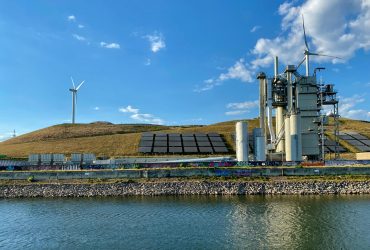
Agri-photovoltaic installations increasingly incorporate wind turbines to balance seasonal generation variations. These hybrid installations demonstrate superior performance compared to solar-only systems, particularly in locations with good wind resources.
Conclusion
Small wind turbines offer agricultural operations a proven path to energy independence, cost reduction, and environmental responsibility. When integrated with solar photovoltaic systems, wind turbines create hybrid renewable energy solutions that address the fundamental challenges of agricultural power requirements.
The economic benefits of wind power extend beyond simple fuel cost savings to include improved operational reliability, reduced maintenance requirements, and potential additional revenue streams. Environmental advantages align with growing consumer demand for sustainable agricultural practices while helping farms meet increasingly stringent regulatory requirements.
As renewable energy technology continues to advance and costs decline, hybrid wind-solar systems will play an increasingly important role in agricultural energy strategy. Farmers considering renewable energy solutions should evaluate their wind resources alongside solar potential to develop comprehensive energy independence plans that maximize both economic and environmental benefits.
The future of agricultural energy lies in diversified renewable systems that combine multiple generation sources with appropriate energy storage. Small wind turbines represent a mature, reliable technology that can contribute significantly to sustainable agriculture while improving farm profitability and operational resilience.
Related Comntent
This article examines how combining wind turbines with solar panels creates cost synergies across fuel savings, maintenance reduction, optimized energy storage, and extended equipment lifespans—with...
This guide covers the maintenance strategies, component priorities, and technologies that keep remote wind systems running reliably despite distance and harsh conditions. You'll learn how...